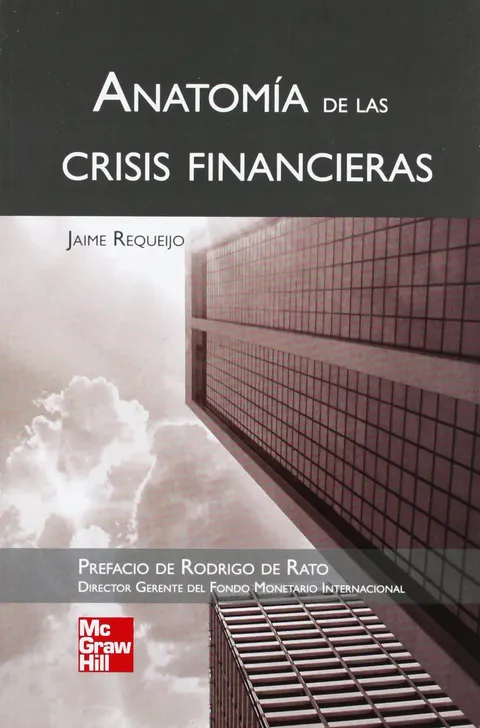
Cover of Great Financial Crises
Classics & history

Great Financial Crises

★★★★☆ No ratings 1 min read

This academic compilation, published in 2019, brings together historical analyses of the most destructive episodes in modern financial history: the 1929 crash, the 1973 oil crisis, the 1980s Latin American debt crisis, the 1997 Asian crisis, and the 2008 Great Recession.

Affiliate CTA preview · enabled with monetization (phase 5).

A compilation of historical and academic analyses of the great financial crises of modern history: 1929, the 1973 oil crisis, 1980s Latin American debt, 1997 Asian crisis, 1998 LTCM collapse, 2000 dot-com bubble, and the 2008 global financial crisis. For each episode: causes, development, policy responses, and lessons learned. A reference for investors seeking to understand recurring crisis patterns.

Our review

This academic compilation, published in 2019, brings together historical analyses of the most destructive episodes in modern financial history: the 1929 crash, the 1973 oil crisis, the 1980s Latin American debt crisis, the 1997 Asian crisis, and the 2008 Great Recession. The book's main value lies not in the originality of each chapter individually but in the comparative perspective that emerges when reading them together: contagion mechanisms, propagation speed, and economic policy errors show striking similarities across time. The diversity of authors enriches the analysis but also introduces unevenness in depth and style between chapters. Some are extraordinarily rigorous; others are more descriptive. For readers already familiar with each crisis individually, the comparative reading offers the greatest added value. For those approaching the subject for the first time, it can be overwhelming without prior grounding. It is not a bedside book for the individual investor, but it is a useful reference for those who want to understand the historical context in which current markets operate.

Who it's for

For economics students, financial analysts, and informed readers who want a comparative view of major crises; not suitable as a first reading on the subject.

Key takeaways

  • Major financial crises share surprisingly similar contagion mechanisms despite their different historical contexts.
  • Economic policy errors — both by action and omission — appear recurrently across all the episodes analysed.
  • The speed of crisis propagation has accelerated with financial globalisation, reducing the window for institutional response.
  • Comparative historical perspective is one of the most useful tools for identifying systemic vulnerabilities in the present.
Fact

The compilation includes analysis of the 1997 Asian crisis, during which the Thai baht lost more than 50% of its value against the dollar within a matter of months.

Topics crisis financierashistoria económica20081929ciclos