Books in “Personal finance”
The 23 best personal finance books
23 titles
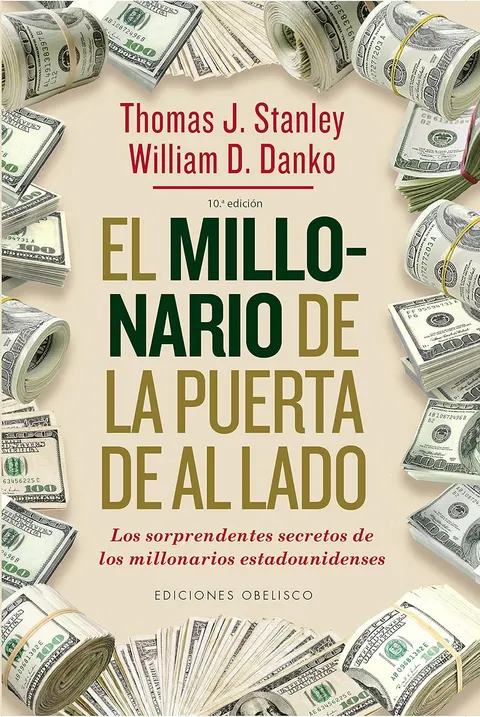
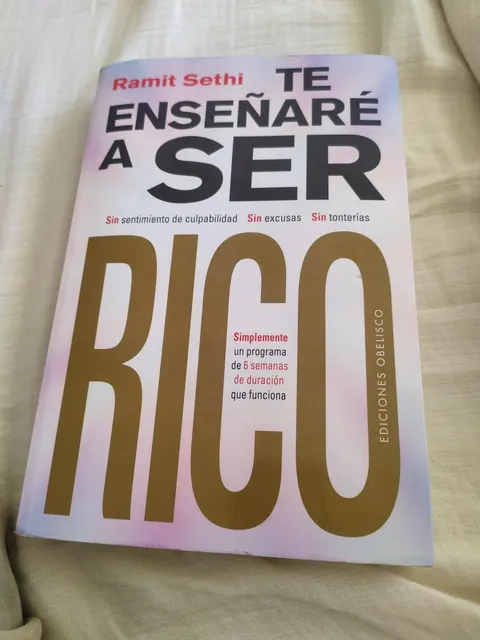
Personal finance is the discipline covering how individuals and families manage income, expenses, debt, savings, and investments over a lifetime. This category brings together 23 essential books, ranging from Clason's timeless parables in «The Richest Man in Babylon» to Ramit Sethi's step-by-step system in «I Will Teach You to Be Rich». You'll also find Kiyosaki's «Rich Dad Poor Dad» and the data-driven research behind Stanley and Danko's «The Millionaire Next Door». All reviews are independent and based on direct reading of each title.
All 23 books, one by one













Frequently asked questions
Where should a complete beginner start with personal finance books?
«The Richest Man in Babylon» by George S. Clason is the standard entry point: its core rules — save at least 10 % of earnings, avoid consumer debt — are taught through accessible parables that apply regardless of income level. From there, Ramit Sethi's «I Will Teach You to Be Rich» provides a practical automation system for saving and investing.
What's the difference between a personal finance book and an investing book?
Personal finance books cover the full money cycle: budgeting, debt elimination, emergency funds, and first savings steps. Investing books focus on growing capital you've already accumulated. The two categories complement each other — most financial educators recommend stabilizing your household finances before exploring investment vehicles.
Is «Rich Dad Poor Dad» still relevant today?
Kiyosaki's book introduced a generation to the concepts of assets versus liabilities and the importance of financial education. Its core mental models remain useful, though some examples reflect the US market of the 1990s. Readers outside the US should supplement it with country-specific resources on tax treatment, pension systems, and available investment accounts.
What makes «The Millionaire Next Door» different from other wealth books?
Stanley and Danko spent decades conducting empirical research on high-net-worth households in the US. Their central finding — that most wealthy people live modestly and prioritize systematic saving over conspicuous spending — is backed by data rather than anecdote, offering concrete behavioral patterns instead of abstract motivation.