Books in “Memoirs & biographies”
The 18 best memoirs & biographies books
18 titles
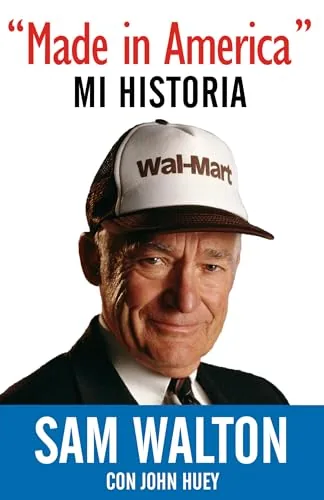
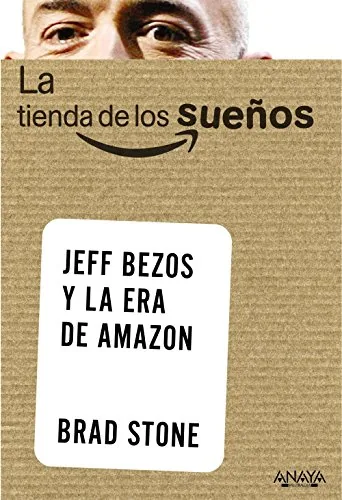
Business memoirs and biographies reconstruct — from first-hand testimony or from investigative journalism — how some of the world's largest companies were built, and sometimes how they collapsed. This category brings together 18 titles ranging from first-person autobiography, such as Sam Walton's «Made in America» or Richard Branson's «Losing My Virginity», to third-party biography, such as Walter Isaacson's «Steve Jobs» or Brad Stone's «The Everything Store» on Jeff Bezos. They read as narrative, yet they teach what no textbook does: how decisions get made under uncertainty, with other people's money and no guarantees.
All 18 books, one by one









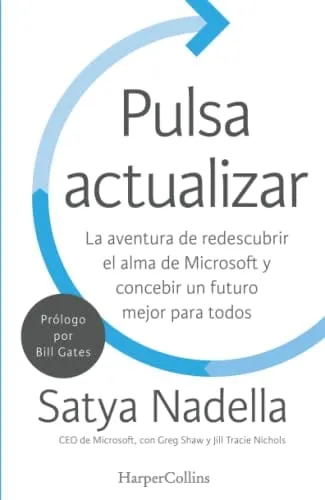
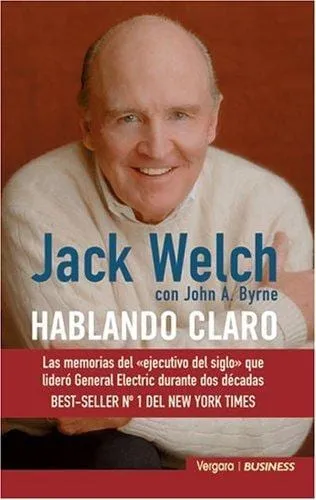
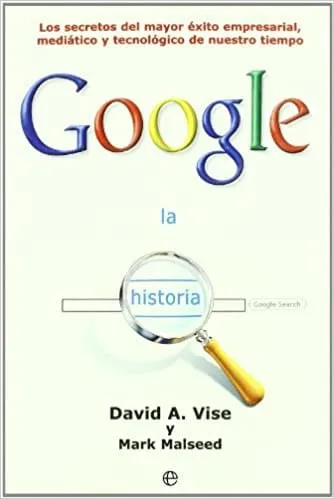


Frequently asked questions
What does a business biography teach that a management textbook does not?
Textbooks present decisions already tidied up, with the outcome known. Biographies show the real process: incomplete information, cash-flow pressure, partner conflicts, and choices made without knowing whether they will work. The value lies in observing the reasoning that preceded the result, not in copying conclusions that depend on an unrepeatable context.
Are autobiographies written by founders themselves reliable?
Read them assuming survivorship and self-justification bias: the author controls the narrative and tends to downplay luck and mistakes. Phil Knight's «Shoe Dog» is unusually candid about its liquidity crises, but even there the counterfactual is missing. Cross-reading them against journalist-written biographies — Isaacson, Stone, Osorno — corrects much of that distortion.
What separates Isaacson's biographies from investigative journalism?
Isaacson works with access to his subject: extensive interviews, cooperation and, in exchange, a gaze that tends toward understanding the person. Investigative journalism, like John Carreyrou's «Bad Blood», begins from conflict with the company and from cross-checking mutually hostile sources. Both are useful, but they produce portraits shaped by different incentives.
Are these books useful for making investment decisions?
Not directly. Understanding a company's culture and capital allocation helps interpret its accounts, but a biography is no substitute for financial analysis and does not predict future business performance. These are readings for context and judgement, not for security selection.