Books in “Stock investing”
The 39 best stock investing books
39 titles
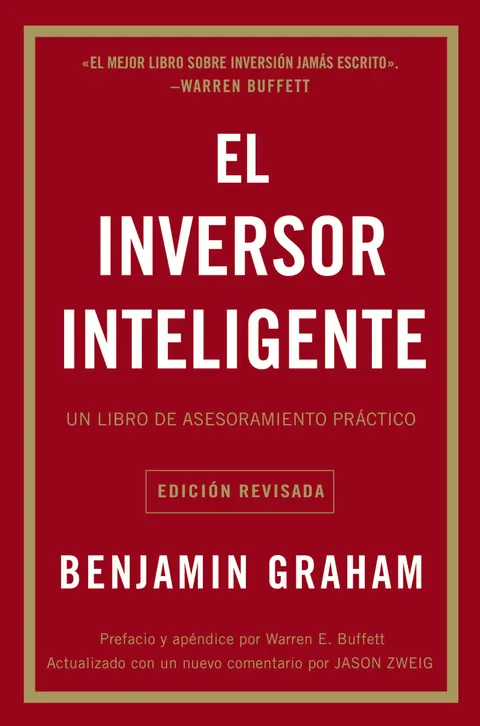
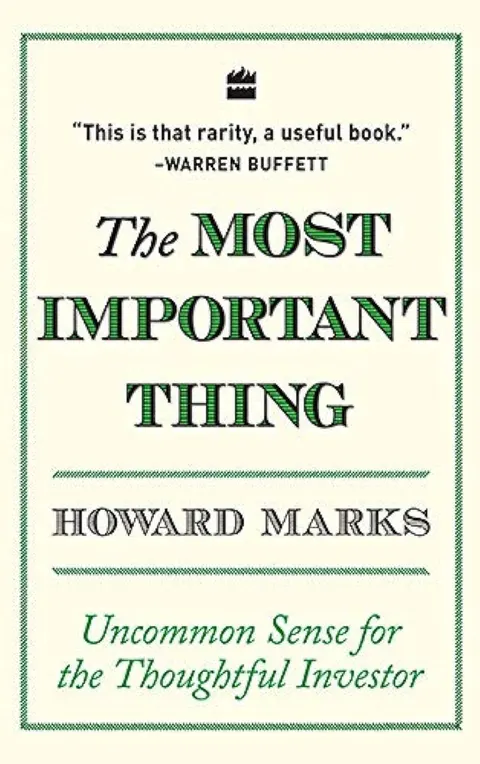
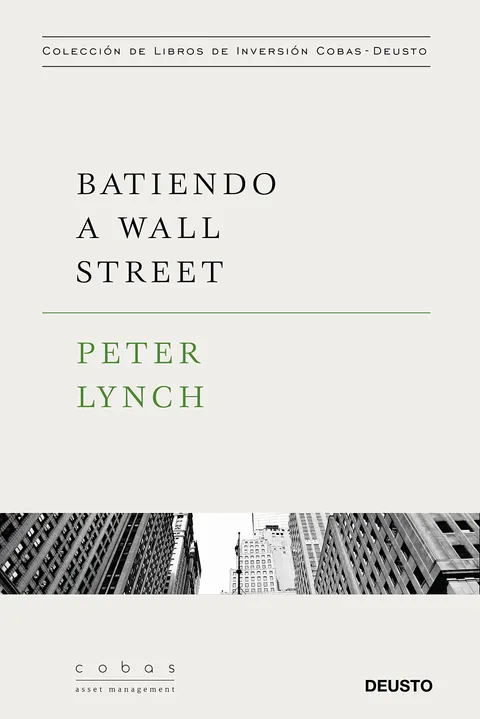
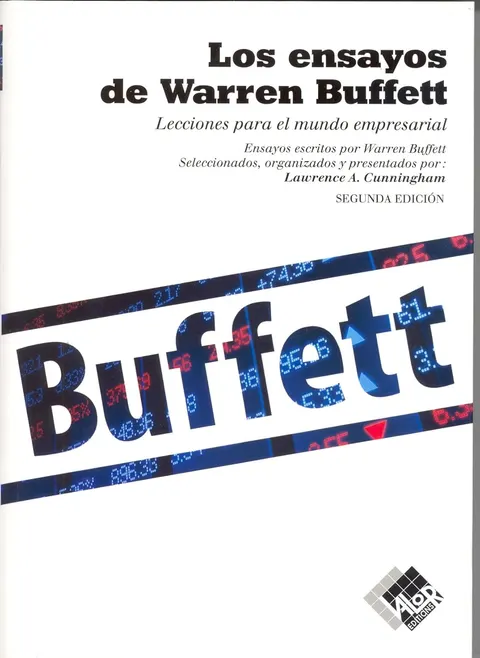
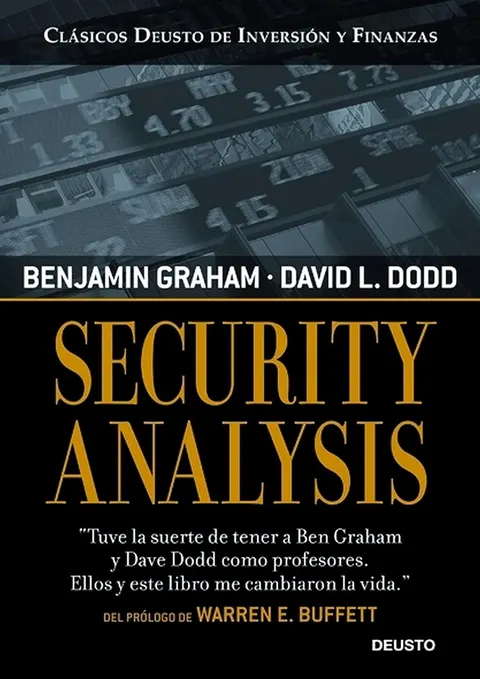
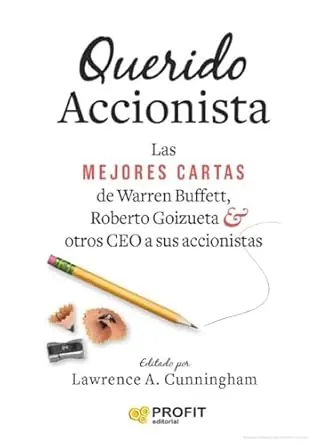
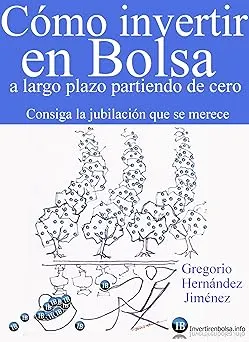
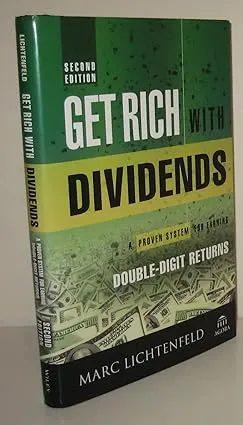
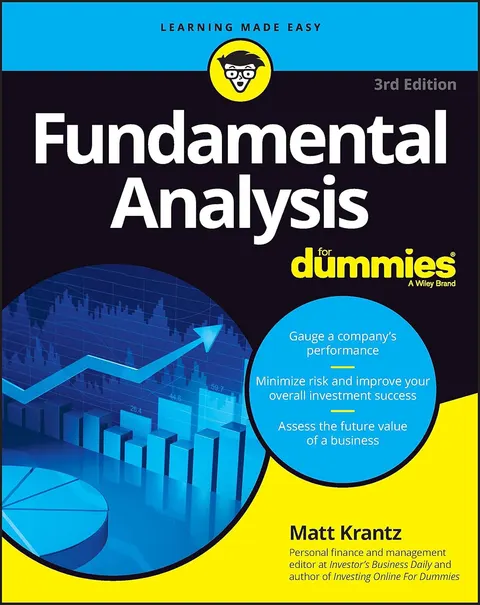
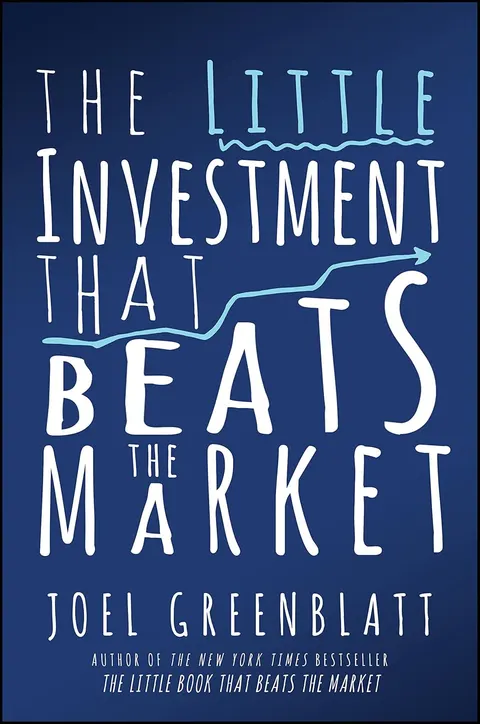
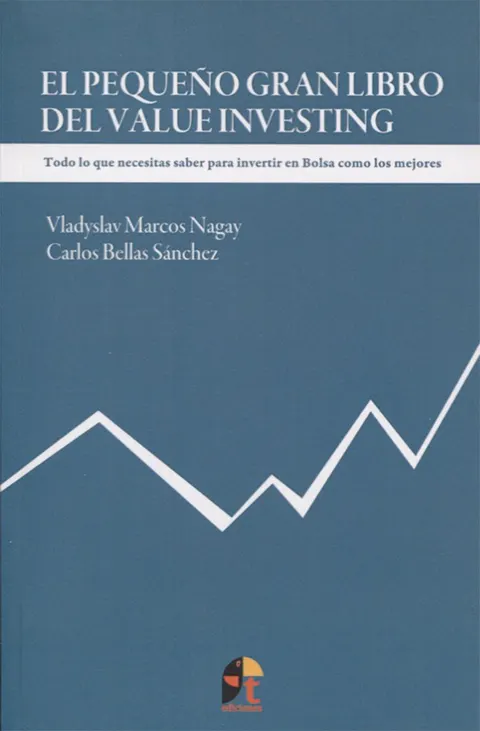
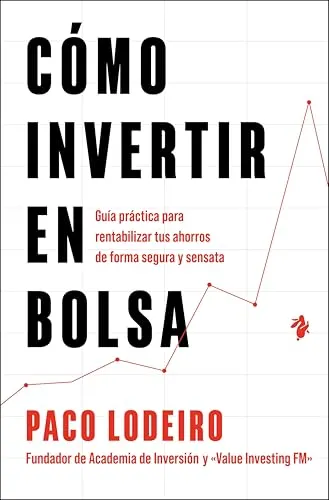
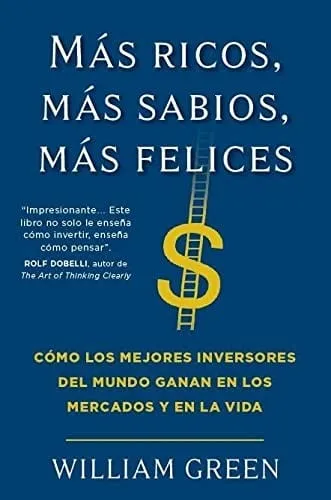
Stock market investing means buying shares of listed companies to seek long-term returns through price appreciation and dividends. This category brings together 39 selected books, from the fundamentals of company analysis to the philosophy of the great investors. You will find value-investing classics such as Benjamin Graham's The Intelligent Investor, Warren Buffett's shareholder letters, and practical works like Peter Lynch's One Up On Wall Street. Every title is reviewed independently, weighing its rigor, accessibility and the type of reader it suits best.
All 39 books, one by one



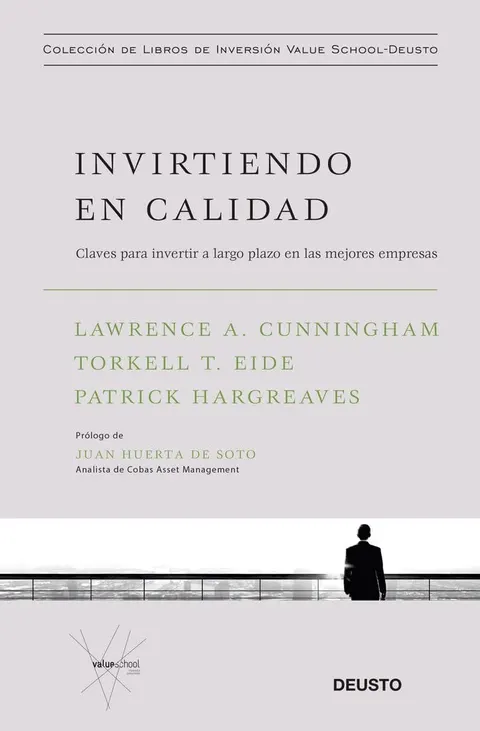
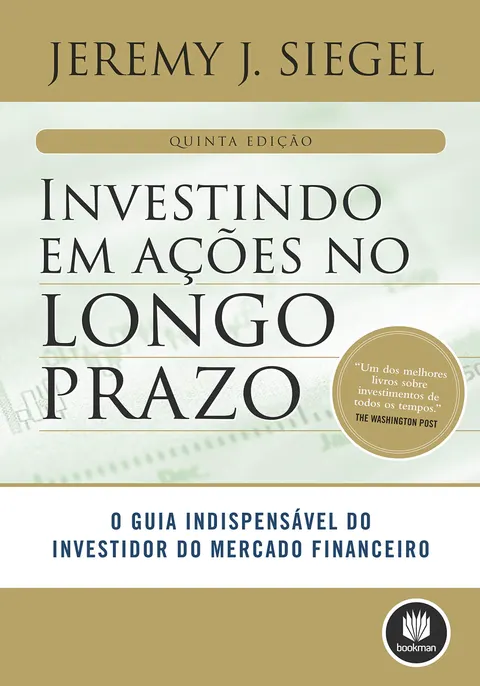





Frequently asked questions
What is the best book to start investing in the stock market?
If you are starting from scratch, accessible titles like Peter Lynch's One Up On Wall Street are often suggested before denser works such as Graham's The Intelligent Investor, which assumes some accounting background. What matters most is choosing one you will finish.
What is the difference between fundamental and technical analysis?
Fundamental analysis studies a company's real value (earnings, debt, competitive advantages) to judge whether its price is reasonable; technical analysis studies price and volume behavior on charts. Most books in this category take the fundamental approach.
Do you need maths to invest in the stock market?
No advanced maths is required. Basic arithmetic and an understanding of concepts like compounding, financial ratios and diversification are enough. Several of the reviewed books explain these without complex formulas.
Individual stocks or index funds?
They are different approaches: picking stocks demands time, analysis and temperament; index funds offer automatic diversification at low cost. This category covers stock picking; for the passive approach, see the Index funds / FIRE category.