Books in “English only”
The 23 best English only books
23 titles
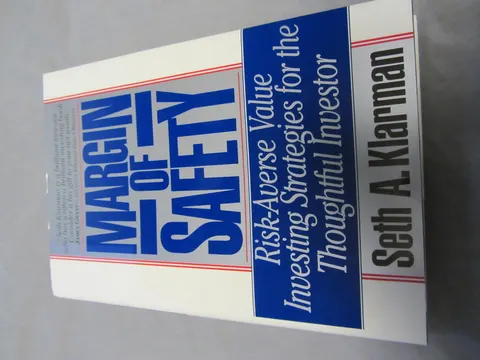
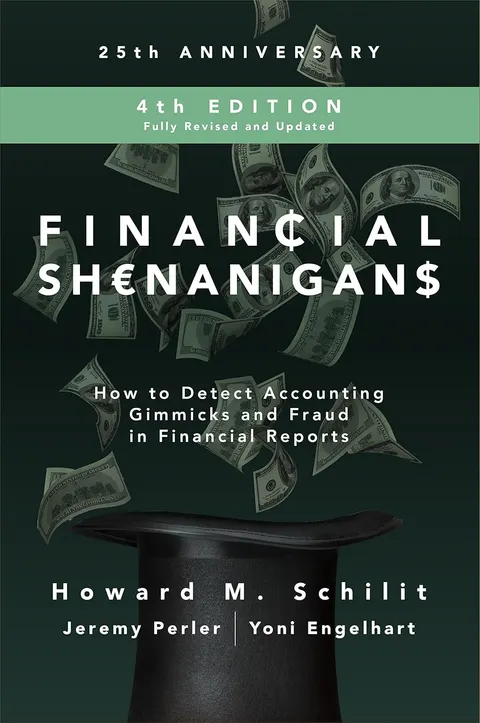
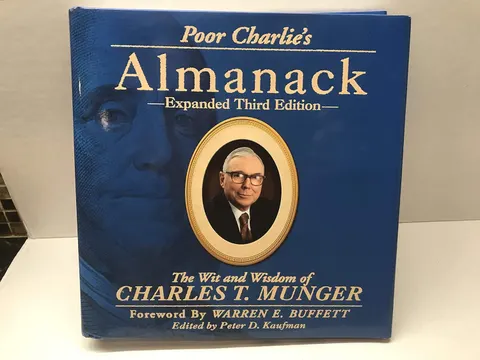
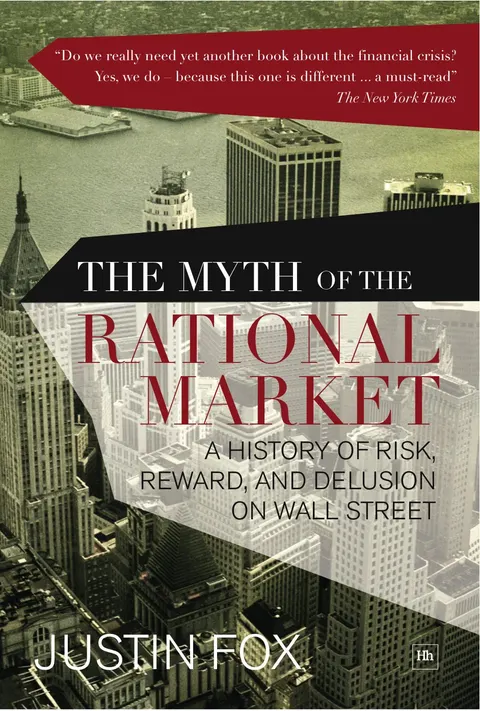
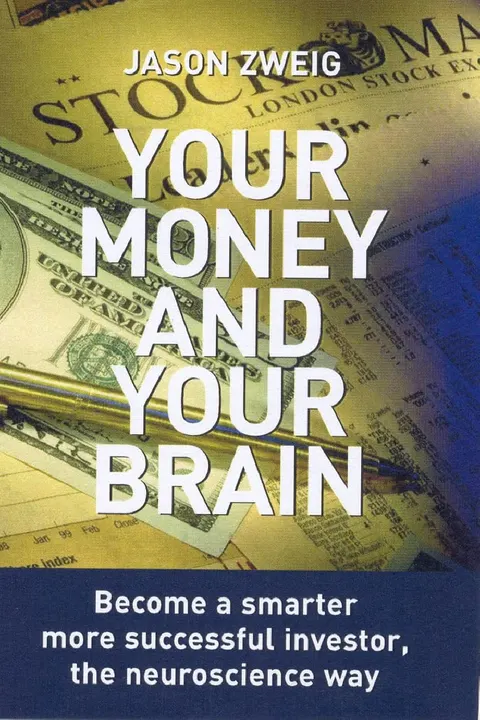
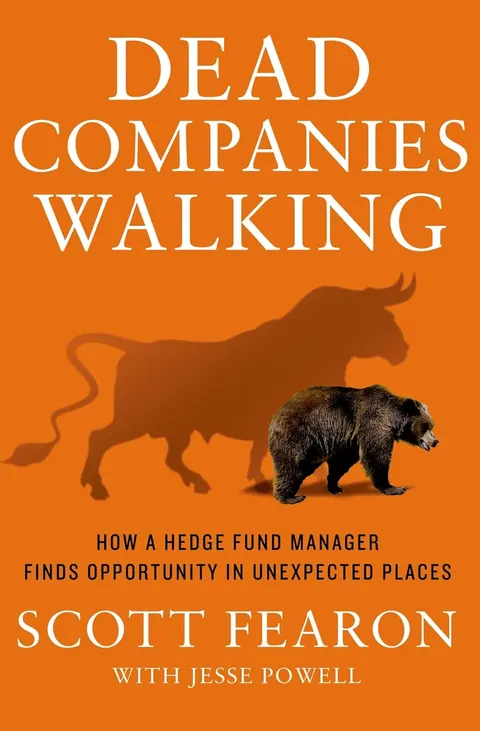
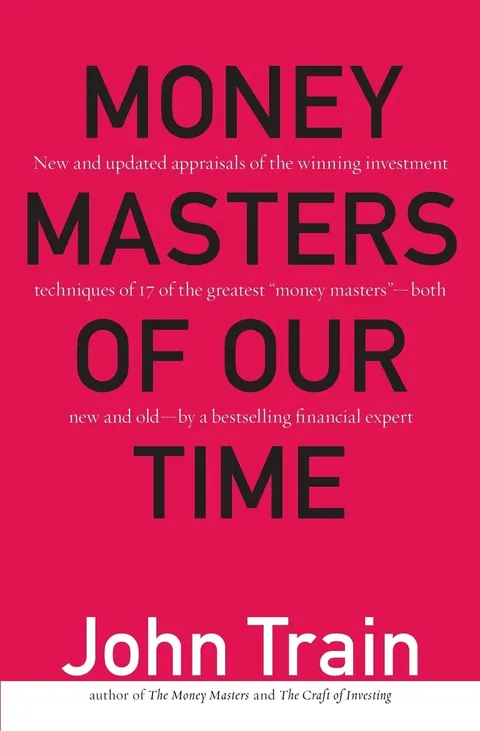
This category brings together 23 finance and investing books that, as of the update date, are not available in Spanish translation or whose translated editions have significant limitations. They are aimed at readers with sufficient English proficiency to tackle technical or narrative texts in that language. Titles include Seth Klarman's «Margin of Safety» — out of print since publication, with second-hand prices exceeding $1,000 — Charlie Munger's «Poor Charlie's Almanack», and works by Lowenstein, Schilit, and Thorp.
All 23 books, one by one


Frequently asked questions
Why hasn't «Margin of Safety» by Seth Klarman been reissued or widely translated?
«Margin of Safety» was published in 1991 in a very limited print run and has never been rereleased or officially translated. Second-hand copies reach prices between $1,000 and $2,500, reflecting both Klarman's reputation in value investing circles and the title's artificial scarcity. Its content — a rigorous exposition of value investing with emphasis on margin of safety and capital preservation — is standard reading among institutional managers.
What English proficiency level is needed to read these books?
Books in this category vary in linguistic complexity. «Poor Charlie's Almanack» and Michael Lewis's works are accessible at a B2 level. Texts like Schilit's «Financial Shenanigans» or «Margin of Safety» require familiarity with accounting and financial terminology in English. In all cases, a specialized financial English dictionary is a useful resource during reading.
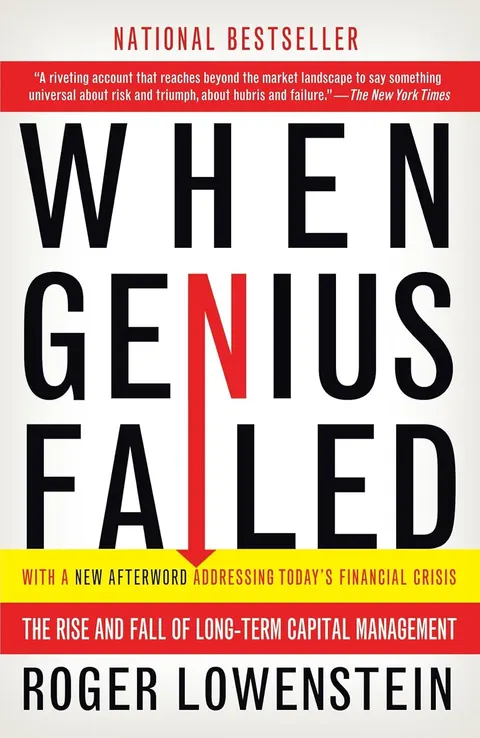
What does Lowenstein's «When Genius Failed» offer that other books on financial crises don't?
Lowenstein reconstructs the rise and collapse of Long-Term Capital Management (LTCM) in 1998 — the hedge fund employing two Nobel laureates in Economics that nearly triggered a global systemic crisis. The book is a lesson on the limits of quantitative modeling, the risk of extreme leverage, and the illusion of certainty that mathematical sophistication can create.
Why include Edward Thorp's «A Man for All Markets» in a financial reading list?
Edward Thorp is a mathematician, inventor of card counting in blackjack, and a pioneer of quantitative trading. «A Man for All Markets» is simultaneously an autobiography, an account of markets from the 1960s through the 2000s, and a demonstration of how probabilistic thinking and risk management apply equally in casinos and financial markets. It is little known outside quantitative circles and of exceptional value.