Books in “Real estate investing”
The 8 best real estate investing books
8 titles
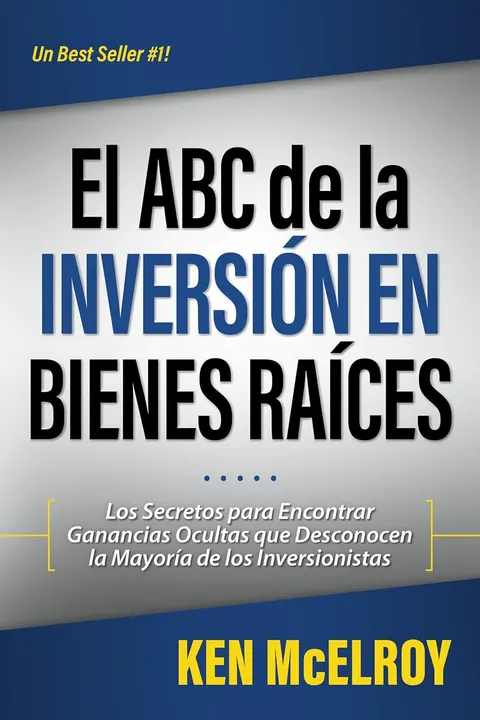
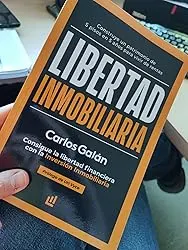
Real estate investing covers the acquisition, management, and disposal of property assets with the goal of generating returns through rental income, capital gains, or both. This category spans both the Spanish market — with Carlos Devis's «Un inmueble al año no hace daño» and Carlos Galán's «Libertad inmobiliaria» — and the Anglo-Saxon market, with manuals by Brandon Turner and Ken McElroy. These readings focus on deal analysis, leveraged financing, and income-producing asset management.
All 8 books, one by one
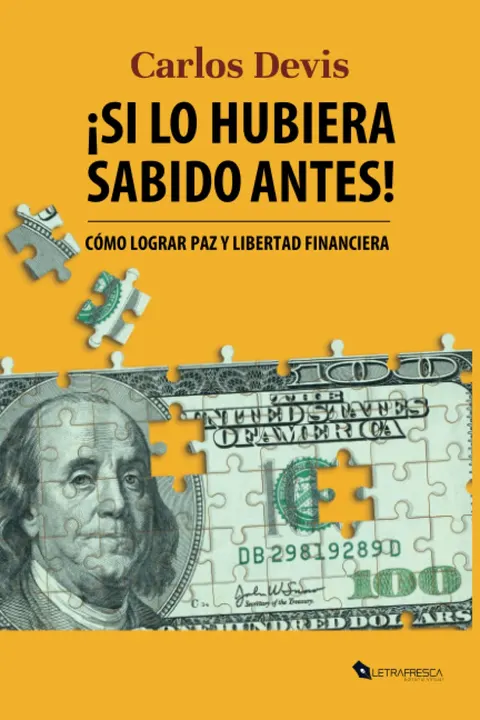
If I Had Known Earlier: How to Achieve Financial Peace and Freedom
View on Amazon
Frequently asked questions
What is the difference between direct property investment and investing through a REIT or real estate fund?
Direct investment involves buying, managing, and eventually selling a physical property. It offers full control over the asset but requires significant upfront capital, active management, and local market knowledge. REITs and real estate funds allow access to diversified property portfolios with smaller amounts and no management responsibilities, in exchange for less control and potentially greater volatility in listed markets.
Are the principles in Turner's and McElroy's books useful for non-US markets?
Turner and McElroy write for the US market, with tax structures, financing types, and tenancy regulations very different from those in other countries. Their value for international readers lies in the deal analysis principles — cash flow, cap rate, occupancy — and asset selection methodology, which are transferable. Regulatory and tax details should always be verified with advisors specializing in the local market.
What are the main risks of real estate investing that these books address?
Books in this category systematically cover vacancy risk (periods without tenants), concentration risk (dependence on a single asset or area), interest rate risk in leveraged transactions, and liquidity risk — the difficulty of converting a property into cash quickly. They also address the importance of maintenance reserves and managing rental payment defaults.
Is real estate investing suitable for small investors?
Direct property investment typically requires a significant initial capital outlay and access to mortgage financing. The books in this category present strategies across different capital levels, from leveraged acquisition of a single property to portfolio scaling. As always, suitability depends on each person's financial situation, risk tolerance, and time horizon — these books are educational resources, not investment recommendations.