Books in “Crypto & blockchain”
The 11 best crypto & blockchain books
11 titles
Cryptocurrencies and blockchain technology are distributed ledger systems that enable digital transactions without centralized intermediaries. Bitcoin, the first cryptocurrency, was described in Satoshi Nakamoto's 2008 whitepaper. This category brings together 11 books that analyze the technology and its economic context with rigor: from Saifedean Ammous's «The Bitcoin Standard» — which examines Bitcoin as a store of value — to Andreas Antonopoulos's technical manuals and the analysis of the fiat monetary system in «The Fiat Standard».
Best books to understand cryptocurrency from scratch
If you want to understand cryptocurrency without a technical background, these three titles are the entry point: Vigna and Casey's journalistic account of how the phenomenon was born, Antonopoulos's conceptual introduction — written for non-programmers — and Andrea Redondo's practical Spanish-language guide to how this market works.
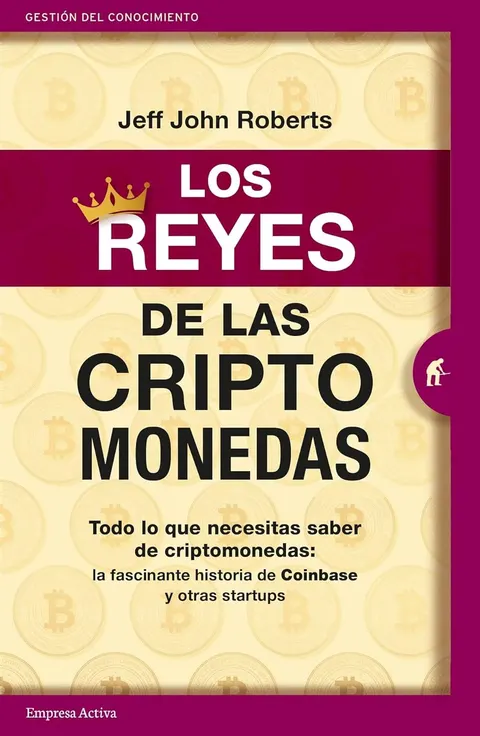


Books about Bitcoin
Bitcoin deserves its own shelf: Ammous's economic thesis on hard money and its counterpoint on the fiat system form the theoretical frame of the debate, while Antonopoulos's technical manual explains how the protocol works from the inside. Three reads covering the economics, the monetary critique, and the engineering.
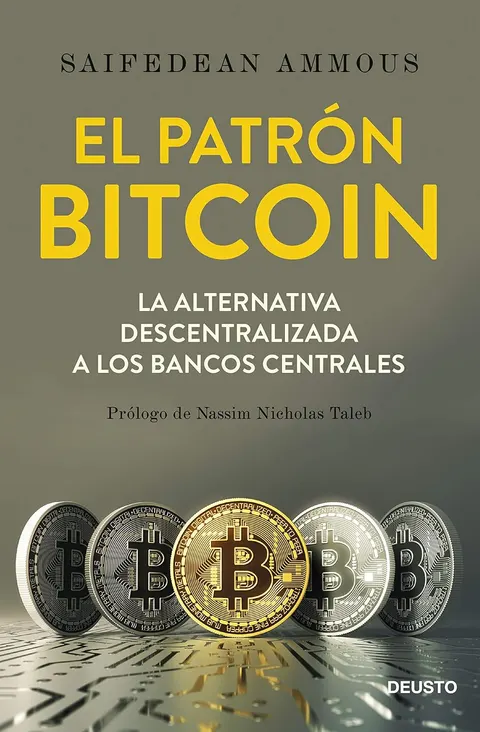

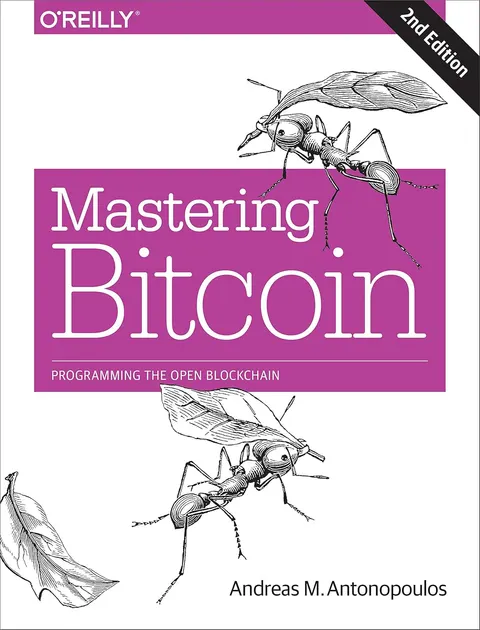
Blockchain, Ethereum, and the ecosystem
Beyond Bitcoin, distributed ledger technology has spawned an ecosystem of its own. The volume coordinated by Preukschat is the Spanish-language reference on blockchain, and Camila Russo's chronicle tells the story of Ethereum and the smart contracts that underpin much of today's ecosystem.


Quick comparison
| Book | Author | Year | Rating |
|---|---|---|---|
| The Bitcoin Standard | Saifedean Ammous | 2018 | 9.2/10 |
| Mastering Bitcoin | Andreas M. Antonopoulos | 2014 | 9.2/10 |
| The Fiat Standard | Saifedean Ammous | 2021 | 9.0/10 |
| The Internet of Money | Andreas M. Antonopoulos | 2016 | 9.0/10 |
| The Infinite Machine | Camila Russo | 2020 | 8.8/10 |
| The Age of Cryptocurrency | Paul Vigna y Michael J. Casey | 2015 | 8.6/10 |
| Blockchain: The Industrial Revolution of the Internet | Alex Preukschat | 2017 | 8.4/10 |
| Cryptocurrency Investing | Andrea Redondo | 2022 | 8.2/10 |
| Attack of the 50 Foot Blockchain: Bitcoin, Blockchain, Ethereum & Smart Contracts | David Gerard | 2017 | 8.2/10 |
| The Definitive Guide to DeFi | Varios autores | 2022 | 8.0/10 |
| Web3 and the Metaverse | Marc Vidal | 2022 | 8.0/10 |
Frequently asked questions
What does Saifedean Ammous argue in «The Bitcoin Standard»?
Ammous contends that Bitcoin shares the properties of «hard money» historically associated with gold: verifiable scarcity, durability, divisibility, and resistance to government manipulation. The book contextualizes Bitcoin within a monetary history that challenges the fiat system — based on debt and discretionary issuance — and proposes cryptocurrency as a long-term store of value alternative. It is an economic thesis, not an investment manual.
Is Antonopoulos's «Mastering Bitcoin» accessible to non-programmers?
«Mastering Bitcoin» is aimed primarily at developers and technical readers: it explains public-key cryptography, transaction scripts, network nodes, and the Proof of Work consensus protocol. The opening chapters are accessible to general readers, but most of the content requires familiarity with programming concepts. For a more conceptual introduction, Antonopoulos's «The Internet of Money» is more appropriate.
How does «The Fiat Standard» differ from «The Bitcoin Standard»?
«The Fiat Standard» expands Ammous's analysis of the current monetary system: it examines how issuing currency without backing in real assets generates inflation, credit market distortions, and state dependency in economic planning. It is a systematic critique of modern money that serves as a theoretical counterpoint to «The Bitcoin Standard» and as a framework for understanding the macroeconomic context in which Bitcoin emerged.
What specific crypto market risks do these books address?
The books in this category are not cryptocurrency trading manuals and do not cover operational risks such as exchange hacks, loss of private keys, or short-term speculative volatility. Their focus is structural and economic: regulatory risk, the sustainability of consensus models, and Bitcoin's credibility as a store of value are the core debates. For operational risks, specialized technical guides should be consulted.