Books in “Financial mindset”
The 8 best financial mindset books
8 titles
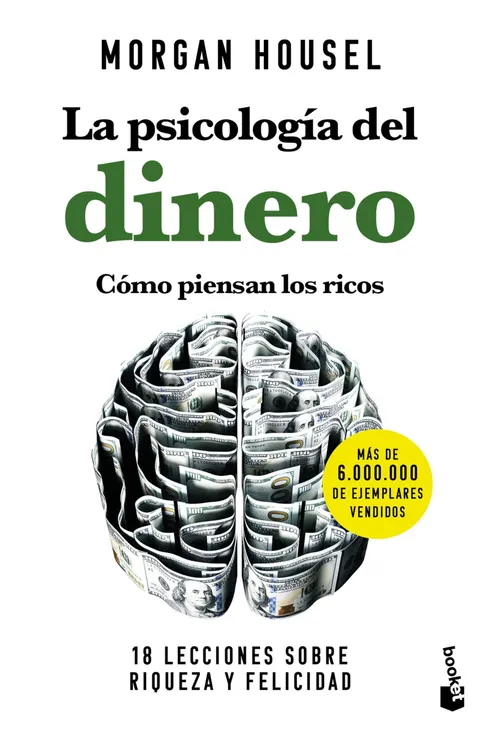
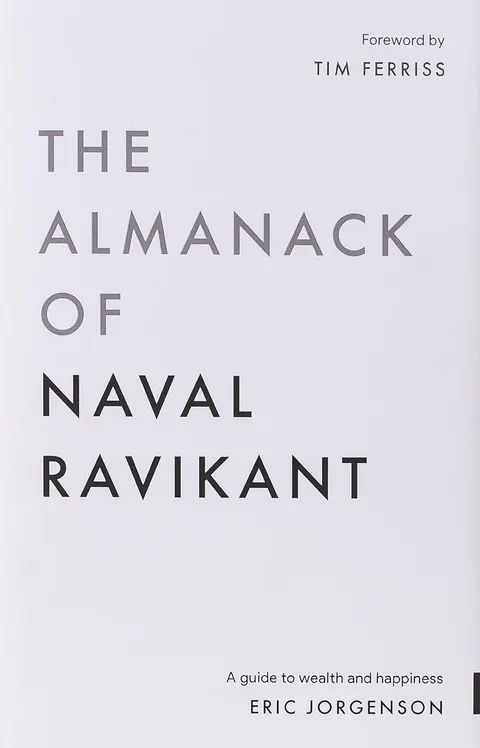
Financial mindset covers the psychological and philosophical relationship people have with money: cognitive biases, fears, unconscious habits, and the way personal values shape economic decisions. This category brings together 8 foundational titles. Morgan Housel's «The Psychology of Money» is the current benchmark of the discipline; Eric Jorgenson's «The Almanack of Naval Ravikant» explores the intersection of wealth, happiness, and purpose; and Ken Honda's «Happy Money» addresses the emotional dimension of saving. All reviews are independent and based on direct reading of each work.
All 8 books, one by one


Frequently asked questions
What is financial mindset and why does it matter more than technical knowledge?
Financial mindset encompasses the beliefs, emotions, and behavioral patterns that drive money decisions. Morgan Housel argues in «The Psychology of Money» that behavior explains long-term financial outcomes better than technical knowledge: someone with solid habits and low financial anxiety will typically outperform a person who knows the theory but acts impulsively.
How is «The Psychology of Money» different from a classic investing book?
«The Psychology of Money» doesn't teach asset selection or portfolio construction. Instead, it examines why intelligent people make irrational financial decisions — overconfidence, social comparison, loss aversion — and offers mental frameworks for acting consistently over time. It's a book about the investor, not the investment.
What does «The Almanack of Naval Ravikant» contribute to financial thinking?
Naval Ravikant is not an economist — he's an entrepreneur and investor. His almanack, compiled by Eric Jorgenson, distills his philosophy on building wealth without sacrificing freedom or mental health. His ideas on leverage, acting without external validation, and the distinction between wealth and status are particularly useful for people building assets from scratch.
Is «Happy Money» a self-help book or does it have real financial substance?
«Happy Money» by Ken Honda blends psychology and Japanese philosophy with practical reflections on the emotional relationship with money. It doesn't replace a personal finance manual, but it addresses an angle that technical books ignore: the root causes of financial anxiety and how to cultivate a calmer attitude toward saving and spending.