Books in “Psychology & decisions”
The 22 best psychology & decisions books
22 titles
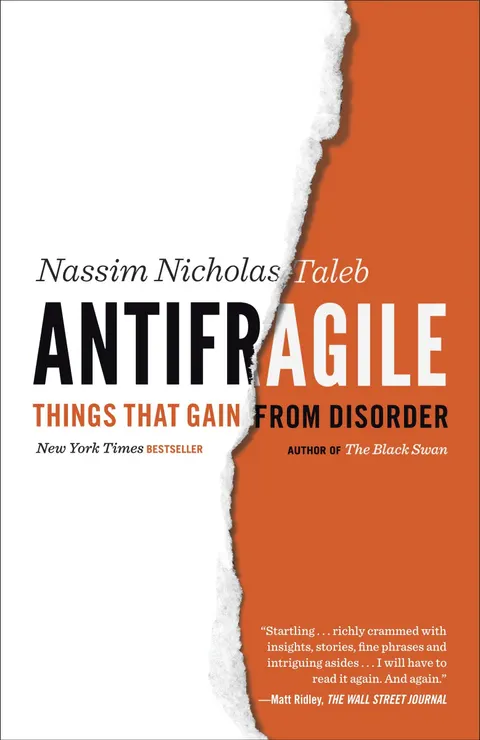
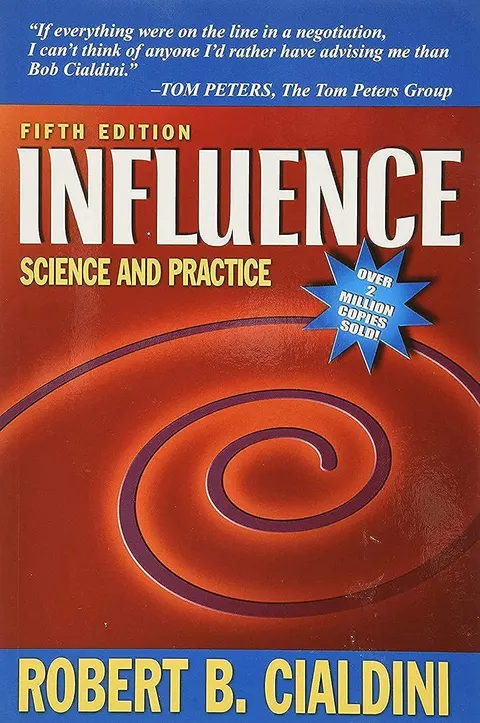
The psychology of decisions studies how people actually think and act when facing uncertainty, risk, and complex choices — as opposed to how neoclassical economics assumes they should act. This category brings together 22 books including Daniel Kahneman's foundational work («Thinking, Fast and Slow»), Nassim Taleb's contributions on unpredictable events («The Black Swan»), the influence mechanisms documented by Cialdini, and the habit systems explored by James Clear in «Atomic Habits».
All 22 books, one by one

















Frequently asked questions
What is the difference between System 1 and System 2 as Kahneman describes them?
In «Thinking, Fast and Slow», Daniel Kahneman proposes that the brain operates through two systems. System 1 is fast, automatic, and intuitive — it acts without conscious effort and handles most everyday decisions. System 2 is slow, deliberate, and analytical, but requires mental energy and only activates when the situation demands it. Cognitive biases arise mainly when System 1 dominates decisions that should belong to System 2.
What is a «black swan» according to Nassim Taleb and why does it matter in finance?
Taleb defines a black swan as a high-impact event with apparent low probability that always seems explainable in retrospect. In finance, systemic crises — the 1929 crash, the 2008 crisis, the 2020 pandemic — are black swans that conventional risk models failed to anticipate. The book argues that risk management should focus on robustness to the unexpected, not on predicting the probable.
Can the principles of «Atomic Habits» be applied to personal financial management?
James Clear argues that lasting behavioral change is built through small, repeatable habits tied to identity («I'm the kind of person who saves»). Applied to finance, this translates into automating savings, scheduling regular portfolio reviews, and eliminating friction from routine investment processes. The book doesn't address finance directly, but its principles transfer with notable effectiveness.
Why is Cialdini's «Influence» relevant for investors?
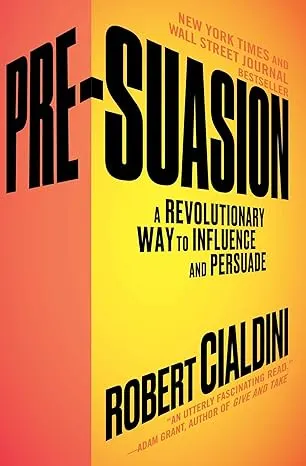
Robert Cialdini documents the six principles that trigger social compliance: reciprocity, commitment, social proof, authority, liking, and scarcity. For investors, recognizing these mechanisms is essential for resisting pressure from financial product salespeople, FOMO in bull markets, and recommendations from authority figures. Understanding persuasion helps make more independent decisions.