Books in “Index funds / FIRE”
The 19 best index funds / FIRE books
19 titles
Index funds are collective investment vehicles that replicate the composition of a stock market index — such as the S&P 500 or the MSCI World — at very low cost. The FIRE movement (Financial Independence, Retire Early) applies this strategy as the engine for achieving financial independence well before conventional retirement age. This category brings together 19 books ranging from John Bogle's foundational «Common Sense on Mutual Funds» to the Spanish-market guide by Carlos Galán and Antonio Rico. Bernstein, JL Collins, and Malkiel round out a rigorous and accessible reading list.
All 19 books, one by one


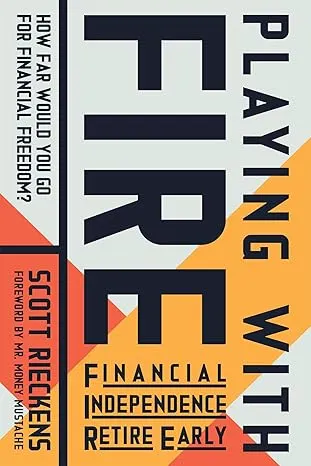
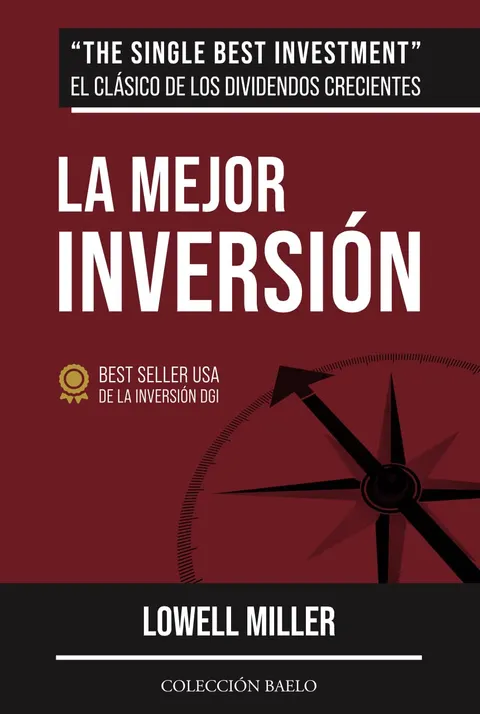
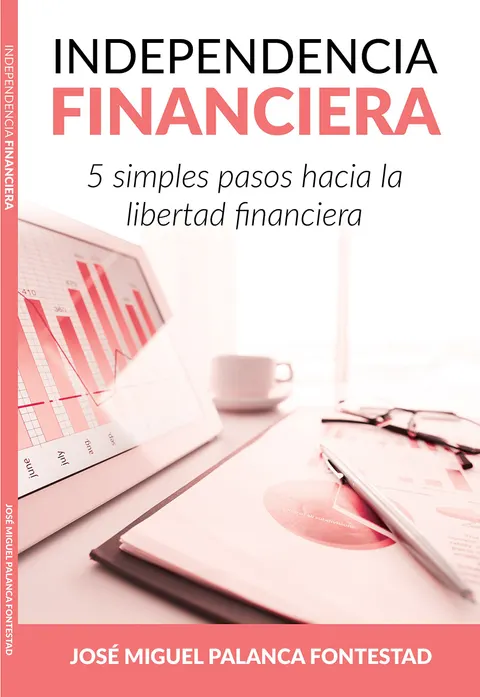


Frequently asked questions
What is an index fund and how does it differ from an actively managed fund?
An index fund mechanically replicates the composition of a benchmark index without a manager selecting individual securities. Its main advantage is cost: annual management fees are typically ten to twenty times lower than those of active funds. Decades of academic evidence show that most active funds fail to outperform their benchmark index over the long term once fees are deducted.
Why is John Bogle considered the father of index investing?
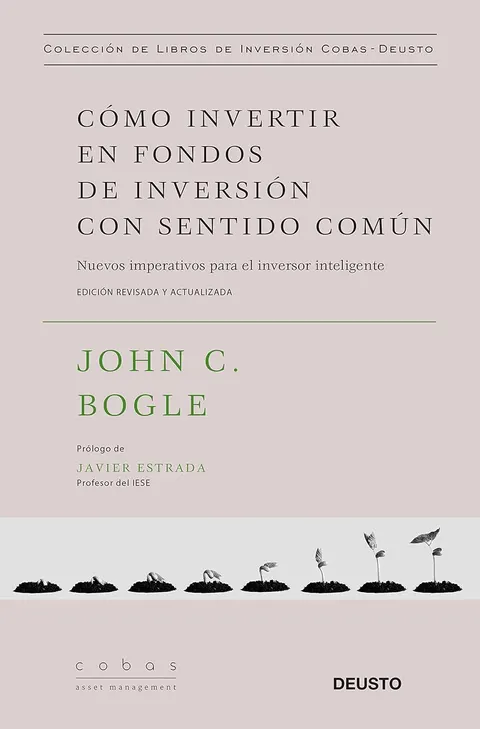
John Bogle founded Vanguard in 1974 and launched the first index fund available to retail investors in 1976. «Common Sense on Mutual Funds» systematizes his philosophy: minimum costs, broad diversification, long time horizons, and resistance to market fads. His work democratized access to passive investing and transformed the fund industry worldwide.
What is the FIRE movement and which books explain it best?
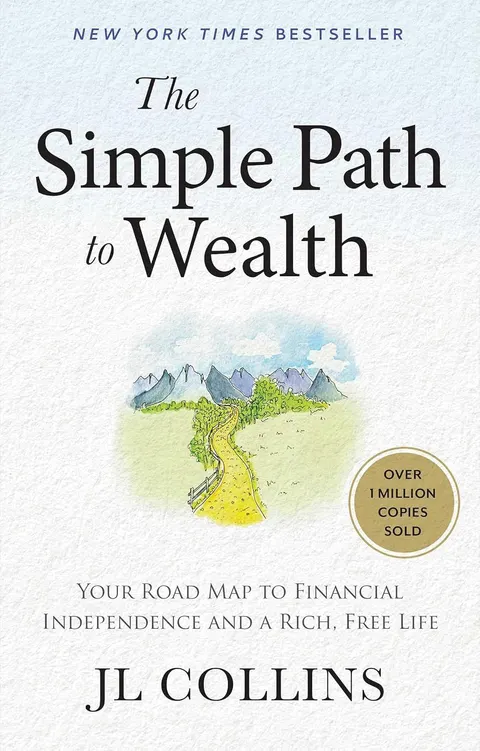
FIRE (Financial Independence, Retire Early) is a lifestyle strategy based on maximizing the savings rate — typically between 50 % and 70 % of income — and investing in indexed assets to achieve financial independence decades before conventional retirement. JL Collins's «The Simple Path to Wealth» is the primary English-language reference; for Spanish readers, Galán and Rico's guide covers the local tax and fund landscape.
Is Malkiel's «A Random Walk Down Wall Street» still relevant today?
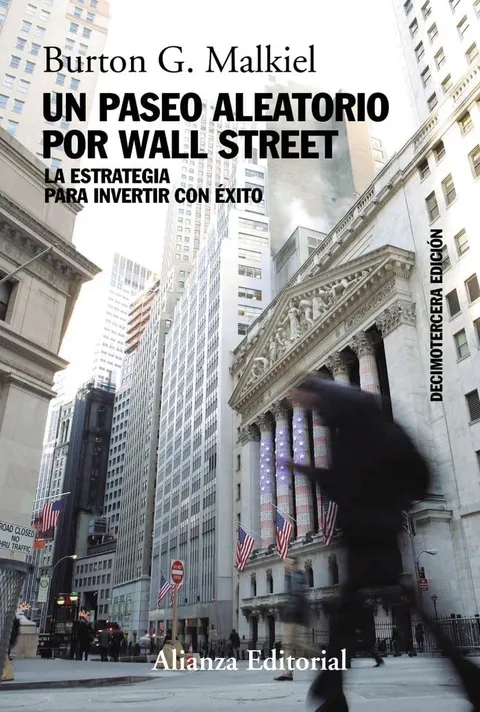
Malkiel published the first edition in 1973 and has updated it numerous times since. His central thesis — that asset prices reflect all available information and that consistently beating the market is statistically improbable — remains the foundation of the efficient market hypothesis and the core argument for index investing.