Books in “Macroeconomics”
The 31 best macroeconomics books
31 titles
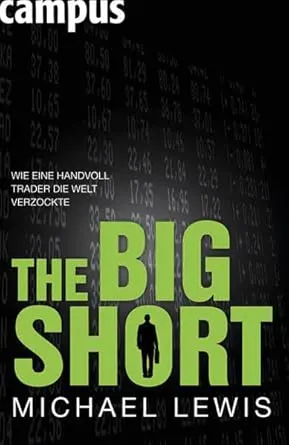
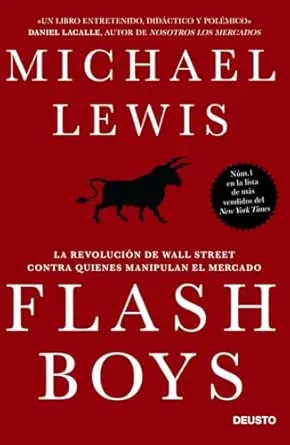
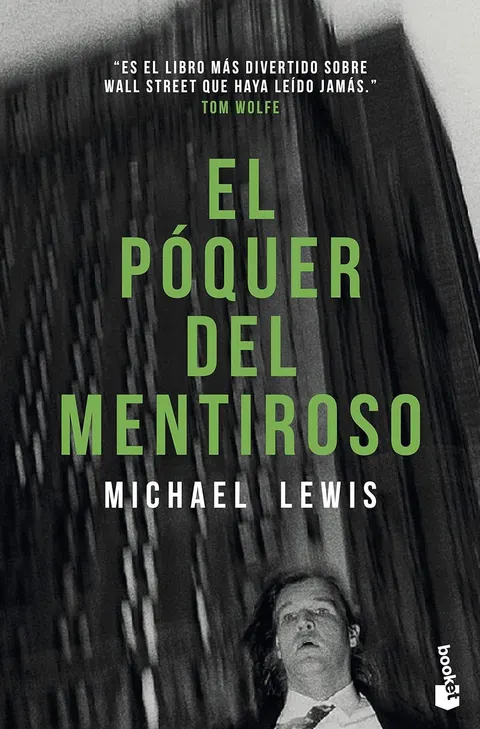
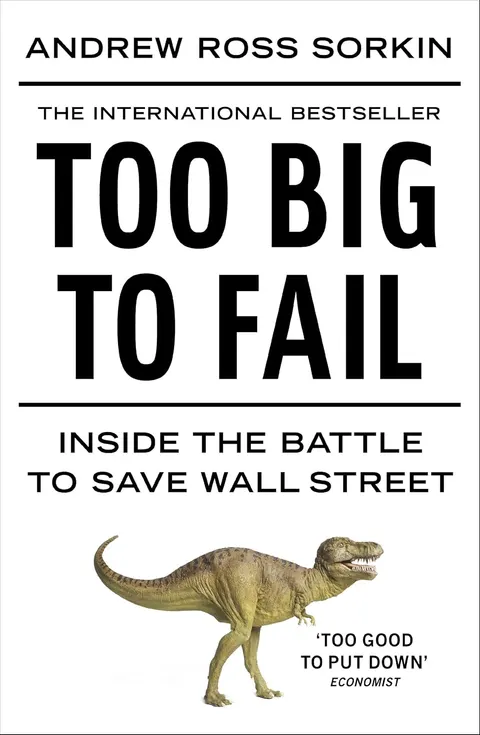
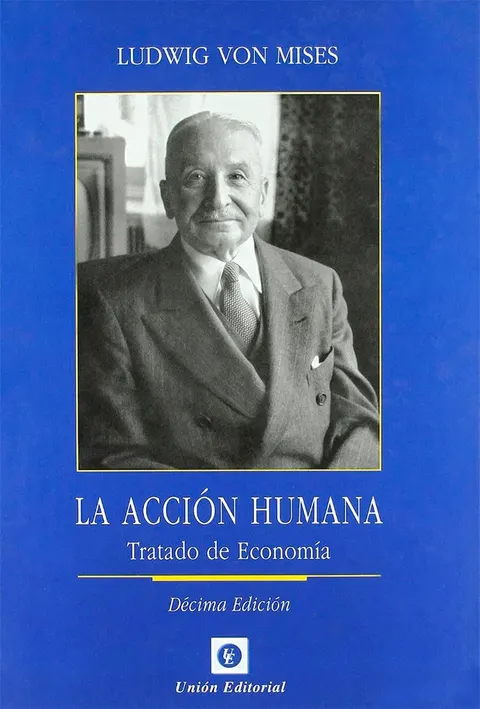
Macroeconomics studies the behavior of economies as a whole: credit cycles, monetary policy, systemic crises, and the way decisions by governments and central banks affect financial markets. This category brings together 31 titles ranging from Michael Lewis's narrative journalism — «The Big Short», «Liar's Poker», «Flash Boys» — to Andrew Ross Sorkin's institutional account in «Too Big to Fail» and Ludwig von Mises's foundational «Human Action». These are books that explain how the global financial system works from the inside.
All 31 books, one by one













Frequently asked questions
What do macroeconomics books teach that financial news doesn't?
Macroeconomics books provide the structural framework that news doesn't have time to explain: why central banks raise or lower rates, how credit bubbles form, what mechanisms amplify a banking crisis. Andrew Ross Sorkin's «Too Big to Fail», for example, reconstructs the 2008 crisis hour by hour, making sense of decisions that seemed arbitrary from the outside.
Are Michael Lewis's books reliable as economic sources?
Michael Lewis is a journalist, not an economist, and his books prioritize narrative and characters. «The Big Short» and «Flash Boys» are recognized even by their protagonists as accurate, if simplified, accounts. They are excellent entry points for understanding complex markets — credit derivatives, high-frequency trading — but should be supplemented with academic analysis for a fuller picture.
What is «Human Action» by Ludwig von Mises and who is it for?
«Human Action» is the central treatise of the Austrian school of economics, published in 1949. Mises develops praxeology — the science of intentional human action — as the foundation of all economic theory. It is a dense work aimed at readers interested in economic philosophy and the foundations of free-market thought. It is not a practical finance book but a foundational text in liberal economic thinking.
Which financial crises do these books cover?
The category spans the major crises of recent decades: the 1987 crash («Liar's Poker»), the dot-com bubble, the 2008 subprime crisis («The Big Short», «Too Big to Fail»), and the transformation of equity markets by algorithmic trading («Flash Boys»). Reading these works in sequence reveals the recurring patterns that precede systemic crises.