Books in “Classics & history”
The 12 best classics & history books
12 titles
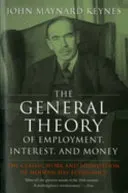
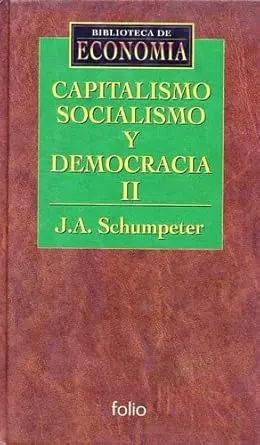
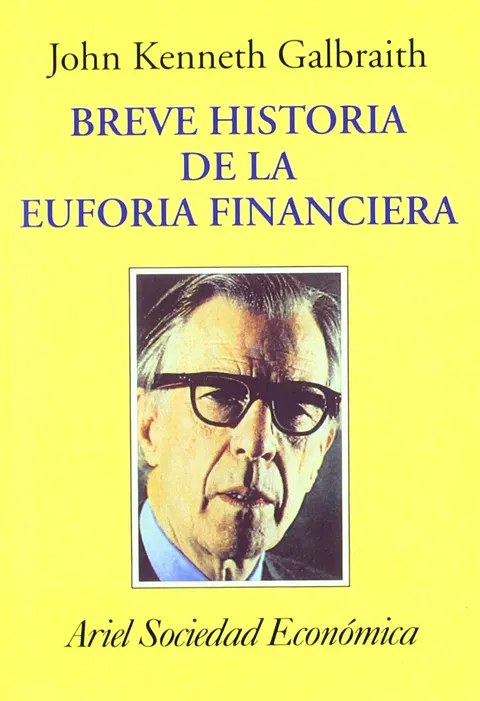
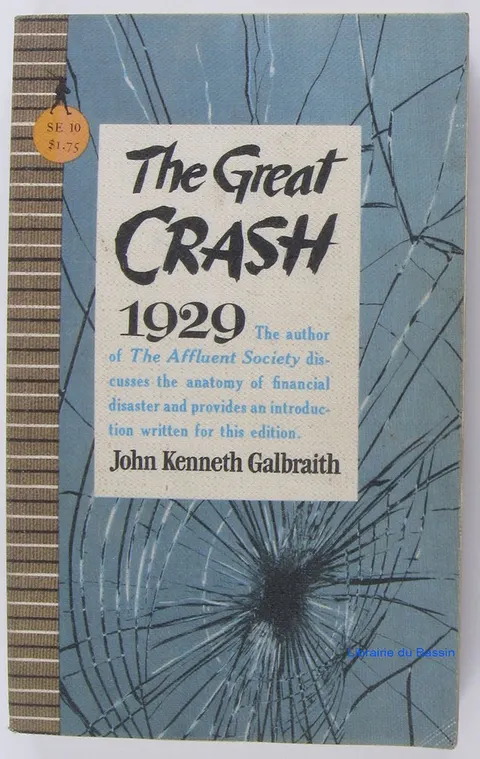
Financial classics and history are texts that have withstood decades or centuries of scrutiny and remain essential sources for understanding market psychology and the mistakes that repeat themselves. This category brings together 11 works, including Charles Mackay's «Extraordinary Popular Delusions and the Madness of Crowds» — published in 1841 and still cited with every new bubble — and John Kenneth Galbraith's two essays on financial euphoria and the 1929 crash. Schumpeter's «Capitalism, Socialism and Democracy» is also included, an unavoidable reference for understanding the dynamics of modern economies.
All 12 books, one by one








Frequently asked questions
Why is «Extraordinary Popular Delusions», published in 1841, still relevant?
Charles Mackay documented the Dutch tulip bubble, the South Sea Company, and other collective manias. The book's enduring relevance lies in the fact that the psychological mechanisms it describes — social contagion, capitulation to the majority, price rationalization — are identical to those observed in every modern bubble, from dot-coms to cryptocurrencies.
How do Galbraith's two books in this category differ?
«The Great Crash 1929» is a historical reconstruction of the months before and after the American stock market collapse, with particular attention to leverage mechanics and contagion. «A Short History of Financial Euphoria» is a more conceptual essay in which Galbraith identifies the constants of all bubbles: the forgetting of past crises, belief in a «new era», and the role of easy credit.
Do you need an economics background to read these classics?
Mackay and Galbraith wrote for general readers and their texts require no prior knowledge of economics. Mises and Schumpeter are denser and more philosophical. A common approach is to start with Galbraith — clear prose, accessible narrative — and move toward more analytical texts as the conceptual framework solidifies.
What does Schumpeter contribute to the study of finance?
Joseph Schumpeter introduced the concept of «creative destruction» to describe how capitalism advances by continuously eliminating the obsolete to make way for the new. His thinking is essential for understanding innovation cycles, sectoral disruption, and the dynamics of modern technology companies. «Capitalism, Socialism and Democracy» remains standard reading in business schools worldwide.