Books in “Trading & technical analysis”
The 15 best trading & technical analysis books
15 titles
Trading and technical analysis are disciplines that seek to anticipate price movements in financial markets by studying charts, price patterns, and market behavior over short and medium timeframes. This category brings together 15 reference books, from John J. Murphy's comprehensive «Technical Analysis of the Financial Markets» to Mark Douglas's psychological exploration in «Trading in the Zone». Lefèvre's reconstruction of Jesse Livermore's memoirs, alongside classics by Elder and Nison, complete a selection focused on both technique and the trader's mental discipline.
Best trading books for beginners
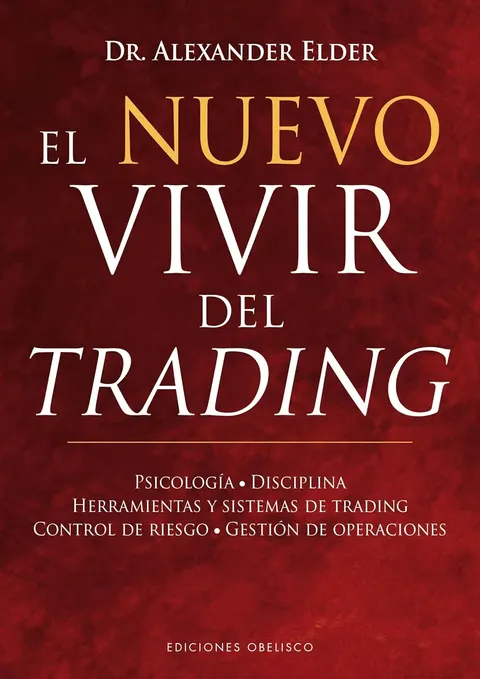
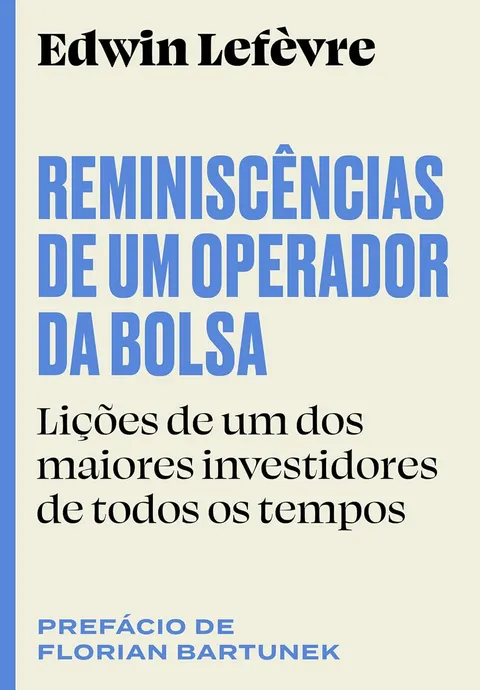
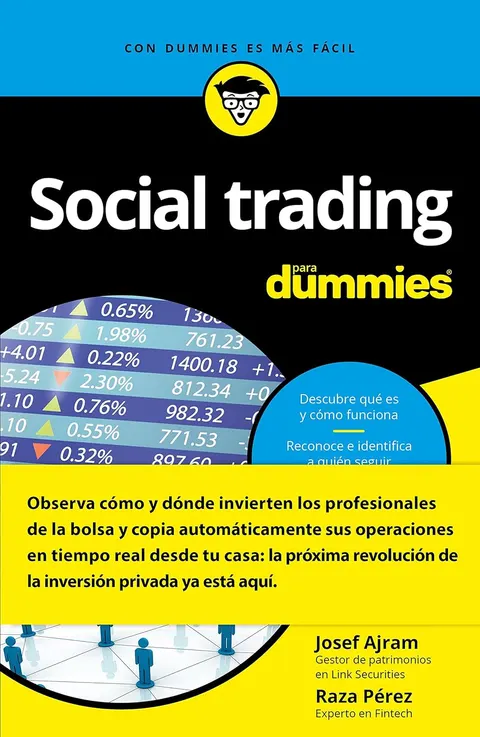
Before placing a single trade it pays to understand what trading is, what it demands, and why most people who attempt it lose money. These three titles build that foundation: Elder's all-in-one manual, the classic novel about Jesse Livermore that teaches how markets behave, and a grounded first-person account from a Spanish trader.
Winning in the Stock Market Is Possible: The Ajram Method
View on AmazonTrading psychology
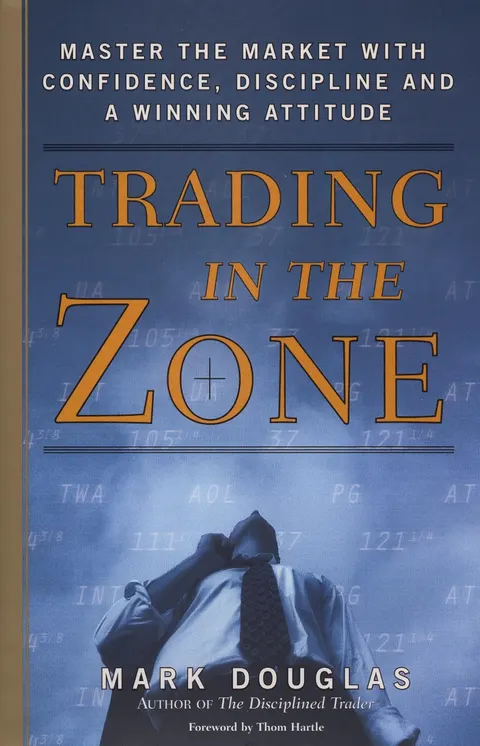
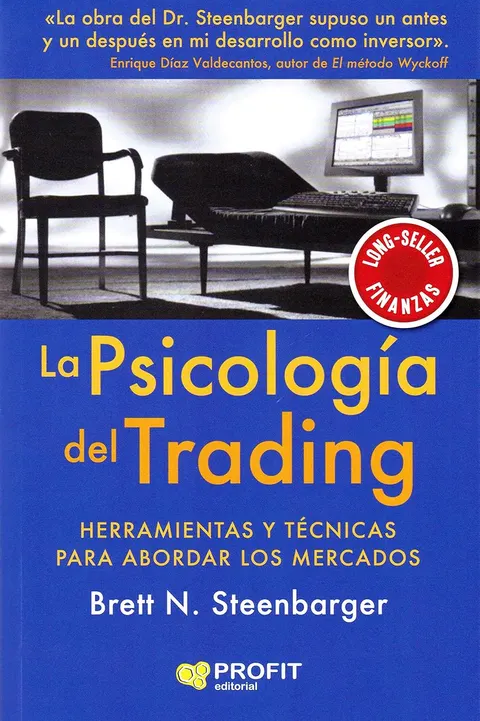
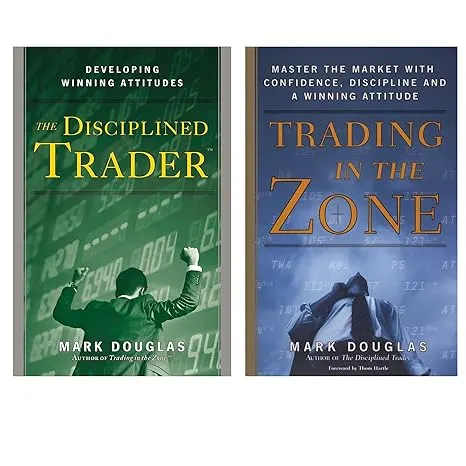
Trading psychology is where results are actually decided: fear, impatience, and the need to be right ruin technically sound systems. Douglas covers the probabilistic mindset, Steenbarger brings the perspective of a clinical psychologist who works with professional traders, and «The Disciplined Trader» is the text that founded the field.
Technical analysis and Japanese candlesticks
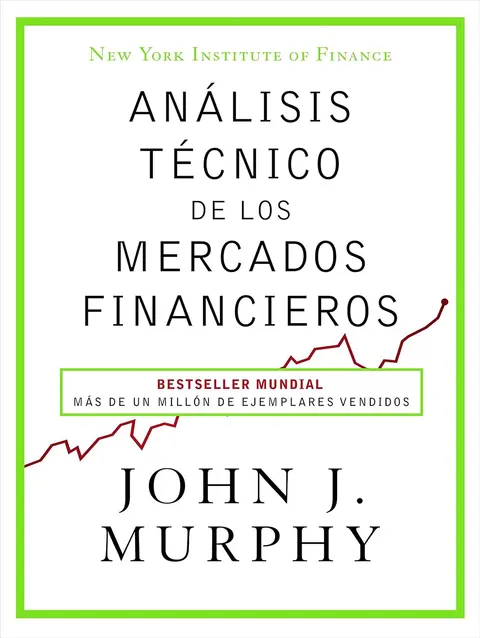
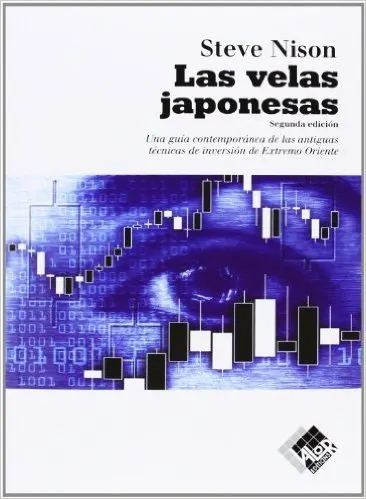
Technical analysis provides trading's common language: support, resistance, trends, and patterns. Murphy's manual is the encyclopedic reference; Nison's two books document Japanese candlesticks from the original source; and Villahermosa updates the Wyckoff method with the volume tools of today's electronic markets.
Trading systems and risk management
With the technical and psychological base covered, these titles move on to building a complete system: entry and exit rules, position sizing, and per-trade and monthly risk control. They are intermediate-to-advanced reads that assume familiarity with technical analysis.
Quick comparison
| Book | Author | Year | Rating |
|---|---|---|---|
| Technical Analysis of the Financial Markets | John J. Murphy | 1999 | 9.4/10 |
| Trading in the Zone | Mark Douglas | 2000 | 9.4/10 |
| Reminiscences of a Stock Operator | Edwin Lefèvre | 1923 | 9.4/10 |
| Trading for a Living | Alexander Elder | 1993 | 9.2/10 |
| Japanese Candlestick Charting Techniques | Steve Nison | 1991 | 9.2/10 |
| Wyckoff 2.0 | Rubén Villahermosa | 2021 | 9.2/10 |
| The New Trading for a Living | Alexander Elder | 2014 | 9.0/10 |
| The Disciplined Trader | Mark Douglas | 1990 | 9.0/10 |
| Beyond Candlesticks | Steve Nison | 1994 | 8.8/10 |
| The Psychology of Trading | Brett N. Steenbarger | 2003 | 8.8/10 |
| Mastering the Trade | John F. Carter | 2005 | 8.6/10 |
| Come Into My Trading Room | Alexander Elder | 2002 | 8.6/10 |
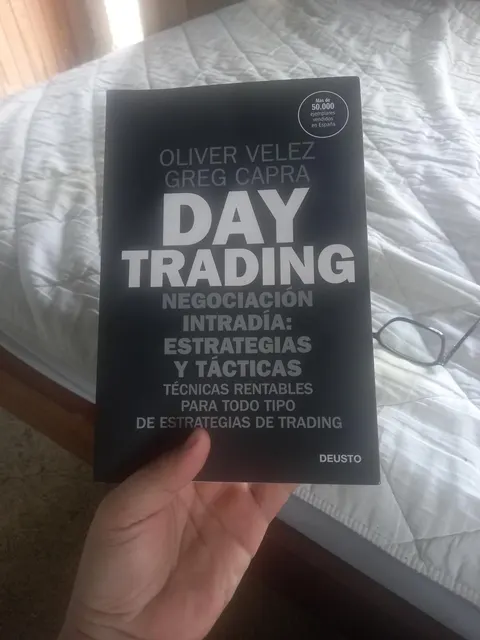
| Tools and Tactics for the Master Day Trader | Oliver Vélez y Greg Capra | 2000 | 8.4/10 |
| Trading to Win | Arie Kiev | 1998 | 8.4/10 |
| Winning in the Stock Market Is Possible: The Ajram Method | Josef Ajram | 2011 | 8.0/10 |
Frequently asked questions
What are the best trading psychology books?
The three reference titles on trading psychology are Mark Douglas's «Trading in the Zone» and «The Disciplined Trader», which teach probabilistic thinking and executing a plan without emotional interference, and Brett Steenbarger's «The Psychology of Trading», written by a clinical psychologist who works with professional traders. They are usually read after acquiring a minimal technical base, because they address the factor that ruins the most results: the trader's own behavior.
What is technical analysis and how does it differ from fundamental analysis?
Technical analysis studies the historical evolution of prices and volume to identify repeatable patterns and project future movements, without considering an asset's intrinsic value. Fundamental analysis, by contrast, evaluates financial statements, business models, and the macroeconomic environment to determine whether an asset is trading above or below its fair value. Many professional traders combine both approaches.
Why is «Trading in the Zone» considered essential if it doesn't teach entry and exit techniques?
Mark Douglas argues that the primary cause of inconsistent trading results is not technical but psychological: fear, the need to be right, and the inability to accept uncertainty. His book teaches the probabilistic mindset required to execute a system with discipline, regardless of whether any individual trade wins or loses. It is an indispensable complement to any technical method.
What are Japanese candlesticks and why is Nison's book the reference?
Japanese candlesticks are a price chart representation that shows open, high, low, and close for each period in a single visual element. Developed in 18th-century Japan for the rice market, Steve Nison introduced them to the West in 1991 with «Japanese Candlestick Charting Techniques». The book remains the primary reference because it documents the original patterns with historical and contextual rigor.
Is «Reminiscences of a Stock Operator» a historical book or does it have practical value today?
Published in 1923 and based on the life of Jesse Livermore, Lefèvre's book combines historical narrative with reflections on market psychology, position management, and the danger of market tips. Many professional traders consider it more useful than modern technical manuals because it addresses market behavior principles that haven't changed in a century.