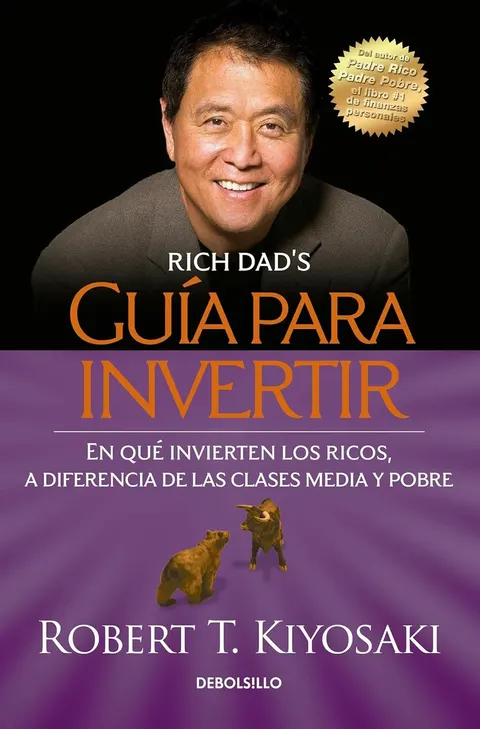
Cover of Rich Dad's Guide to Investing
Stock investing

Rich Dad's Guide to Investing

★★★★☆ 10.0/10 (1) 1 min read

Rich Dad's Guide to Investing is the most ambitious — and most polarising — instalment in Kiyosaki's series.

Affiliate CTA preview · enabled with monetization (phase 5).

The follow-up to Rich Dad Poor Dad, focused specifically on the Rich Dad's investment principles. Kiyosaki explains the differences between investing as an employee, middle-class investor, and sophisticated investor, and describes the rules wealthy investors use to build cash-generating assets.

Our review

Rich Dad's Guide to Investing is the most ambitious — and most polarising — instalment in Kiyosaki's series. Where Rich Dad Poor Dad proposed a mindset shift about money, this book attempts the next step: explaining how those Kiyosaki calls «sophisticated investors» think and operate. The central thesis is that there are three levels of investing — the employee, the middle-class investor, and the «insider» — and that access to genuine wealth requires becoming an entrepreneur before becoming an investor. The book blends solid principles — the importance of financial education, cash flow over capital gains — with generalisations that many finance professionals consider questionable, including claims about tax advantages for the wealthy that do not translate directly to European tax law. The narrative style, built around conversations with the supposed Rich Dad, works well for uninitiated readers but may frustrate those seeking technical rigour. Read critically and as a conceptual introduction, it has value; read as an operational guide, it requires significant filtering.

Who it's for

For readers seeking a conceptual introduction to entrepreneurial financial thinking; not suitable as a technical investment guide or as a tax and legal reference for European markets.

Key takeaways

  • The distinction between cash-flow-generating assets and cash-consuming liabilities is one of the book's most useful conceptual frameworks.
  • Financial education is absent from conventional schooling, making self-directed learning a meaningful competitive advantage.
  • Becoming an entrepreneur before an investor expands tax planning options and value creation pathways.
  • The book's generalisations about taxes and legal structures must be verified against local regulations before being applied.
Fact

Published in 2000, it is the third instalment in the Rich Dad series, which has sold over 32 million copies worldwide according to figures declared by the author.

Topics Robert Kiyosakiinversiónactivosflujo de cajapadre rico