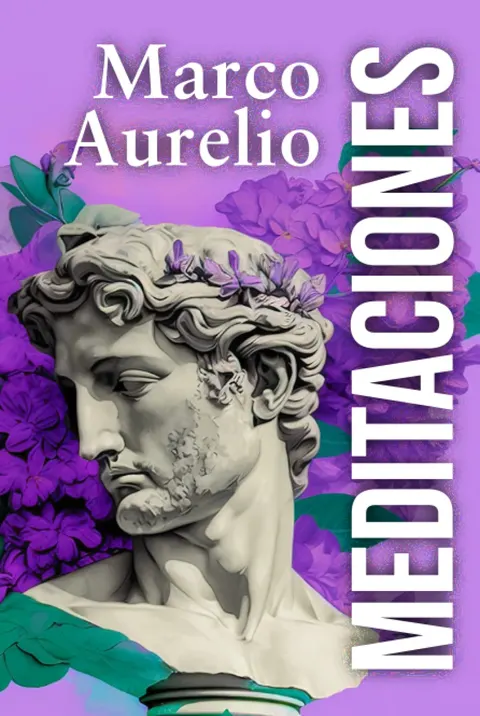
Cover of Meditations
Bestseller
Strategy & life

Meditations

★★★★½ No ratings 1 min read

Marcus Aurelius wrote these notes for himself, with no intention of publication.

Affiliate CTA preview · enabled with monetization (phase 5).

Written by Emperor Marcus Aurelius as a private diary, Meditations is the foundational text of practical Stoicism. His reflections on emotional control, acceptance, and acting virtuously under adversity remain extraordinarily relevant for investors and entrepreneurs today.

Our review

Marcus Aurelius wrote these notes for himself, with no intention of publication. That is the first thing worth keeping in mind when reading them: they are not a treatise on Stoic philosophy but the private journal of a man governing the largest empire of his era, using writing as a deliberate practice of intellectual self-discipline. The result is the foundational text of practical Stoicism in its most unguarded form. What the reader finds is not an organized philosophical system but repetitive fragments, observations on human nature, and reminders the author imposed on himself about impermanence, control of one's reactions, and the fulfillment of duty. The repetition is intentional: Marcus Aurelius needed to remind himself of these things constantly, which makes the text more human and more honest than any systematic treatise. Its contemporary relevance is striking: the distinction between what is within our control and what is not — Stoicism's central axis — is a cognitive management framework that modern psychology has rediscovered under different names. The edition matters: translations directly from the classical Greek with contextual notes substantially improve the reading experience.

Who it's for

For readers interested in practical philosophy, emotional management, and classical thought; especially valuable for those with leadership responsibilities or navigating periods of uncertainty.

Key takeaways

  • Stoicism does not propose indifference to the world but discernment: distinguishing what depends on you from what does not, and acting accordingly.
  • Marcus Aurelius's philosophical practice was deliberate and repetitive — writing as a tool for self-knowledge, not self-expression.
  • Power and adversity are managed from the same principles: control of one's reactions, perspective on impermanence, and fidelity to duty.
  • The brevity of life and the indifference of the universe are not arguments for nihilism but for focusing attention on what genuinely matters.
Fact

Written around 180 AD, the Meditations remained unpublished for centuries and appeared in print for the first time in 1559, nearly 1,400 years after Marcus Aurelius died.

Topics Marco Aurelioestoicismofilosofíasabiduríaclásico antiguo