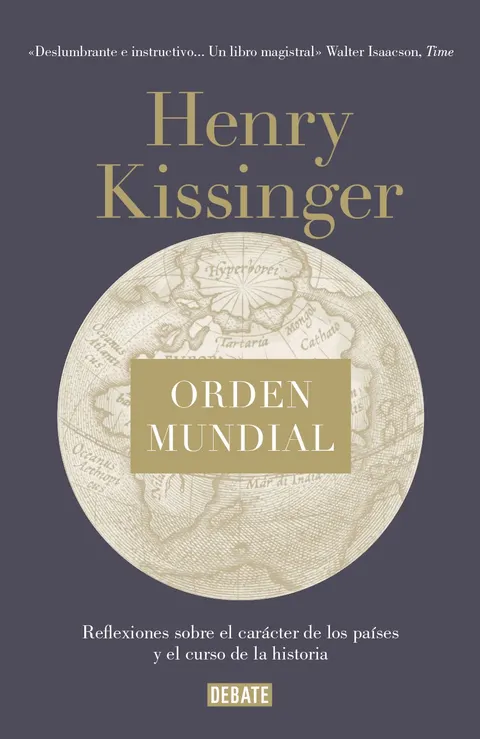
Cover of World Order
Macroeconomics

World Order

★★★★☆ No ratings 1 min read

«World Order», published in 2014, is the intellectual testament of the most influential diplomat of the twentieth century.

Affiliate CTA preview · enabled with monetization (phase 5).

Henry Kissinger analyses the different conceptions of "world order" throughout history and warns of the challenges threatening global stability: China's rise, Middle East chaos, the fragmentation of power, and the internet's impact on diplomacy. Essential for investors seeking the geopolitical context behind global markets.

Our review

«World Order», published in 2014, is the intellectual testament of the most influential diplomat of the twentieth century. At age 91, Henry Kissinger — former Secretary of State under Nixon and Ford, architect of détente with China and the USSR — constructs a historical-philosophical analysis of how different civilizations have conceptualized international order: the European Westphalian system based on balance among sovereign states, the American vision of a universal order grounded in democratic values, the Islamic concept of a transnational umma, and the Chinese approach of hierarchical harmony with China at the center. The book is not a geopolitics manual but a meditation on the difficulty of building stable international order when the actors do not share the same assumptions about legitimacy and sovereignty. Its virtue is historical breadth and Kissinger's direct experience as a protagonist of twentieth-century foreign policy. Its most persistent criticism is the democratic deficit of his vision: Kissinger consistently prioritizes stability over human rights, which has generated lasting controversy about his legacy. An indispensable book for understanding contemporary geopolitics, though hardly a neutral one.

Who it's for

For readers interested in geopolitics, diplomatic history, and international relations; less suited for those seeking a normative analysis grounded in human rights or democratic theory.

Key takeaways

  • The Westphalian order — state sovereignty, balance of power, non-interference — remains the only framework that allows coexistence among radically different political systems.
  • The American vision of international order as the export of liberal democracy consistently collides with civilizations that do not share that conception of legitimacy.
  • China conceives world order as a natural hierarchical system with itself at the center, not as a balance among sovereign equals.
  • The absence of a shared concept of «legitimate order» is the primary driver of instability in the twenty-first-century international system.
Fact

Henry Kissinger published «World Order» in 2014 at age 91; it is his third book on foreign policy written after leaving office as Secretary of State in 1977.

Topics Kissingergeopolíticaorden mundialdiplomaciarelaciones internacionales