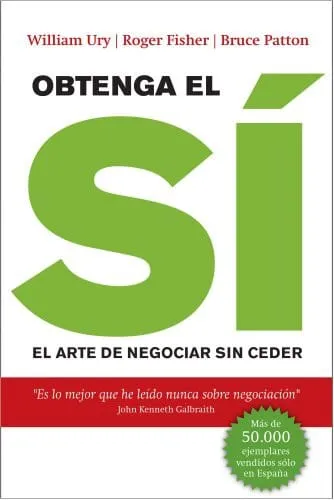
Cover of Getting to Yes
Strategy & life

Getting to Yes

★★★★☆ No ratings 1 min read

Born from the Harvard Negotiation Project, this book changed how the world understands negotiation.

Affiliate CTA preview · enabled with monetization (phase 5).

The Harvard negotiation method, condensed into the most influential book ever written on the subject. Against positional bargaining, Fisher and Ury propose principled negotiation: separate people from the problem, focus on interests not positions, invent options for mutual gain, insist on objective criteria. Their BATNA concept changed negotiation preparation forever.

Our review

Born from the Harvard Negotiation Project, this book changed how the world understands negotiation. Fisher, Ury, and Patton start from a diagnosis: positional bargaining — anchoring on a stance and grudgingly conceding — produces mediocre agreements, damages relationships, and rewards stubbornness. Their alternative, principled negotiation, rests on four moves: separate the people from the problem (hard on the problem, soft on the people); focus on the interests behind positions (the question is always «why?» and «why not?»); generate options for mutual gain before deciding (grow the pie before dividing it); and insist on objective criteria — market prices, precedents, appraisals — so the agreement does not depend on willpower. Its most cited contribution is the BATNA: the best alternative to a negotiated agreement, which defines when to walk away and is the true source of negotiating power. Forty years later, with millions of copies sold, it remains the starting point of all serious negotiation training — including for those who, like Chris Voss, argue with it.

Who it's for

For anyone who negotiates — salaries, purchases, contracts, family conflicts — that is, for everyone; the foundation on which to later read more aggressive or tactical approaches.

Key takeaways

  • Negotiate over interests, not positions: behind incompatible stances there are usually compatible interests.
  • Your BATNA defines your real power: knowing your best alternative to a deal tells you when to accept and when to walk.
  • Objective criteria depersonalize the agreement: leaning on market data, precedents, or appraisals avoids the war of wills.
  • Separating people from the problem lets you be hard on substance without breaking the relationship — key in repeated negotiations.
Fact

Published in 1981 as the fruit of the Harvard Negotiation Project, it has sold over fifteen million copies in more than thirty languages.

Topics negociaciónmétodo HarvardBATNAresolución de conflictoscomunicación