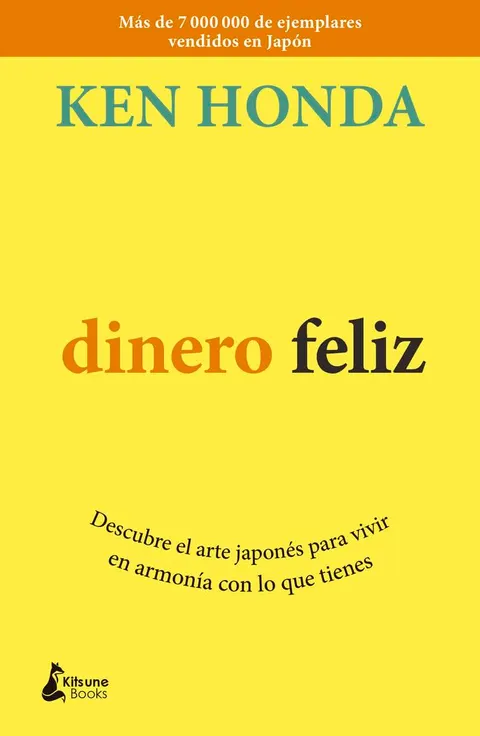
Cover of Happy Money
Financial mindset

Happy Money

Filosofía Millonaria para una Vida Plena

★★★★☆ No ratings 1 min read

"Happy Money" brings to the English-speaking world the financial philosophy of Ken Honda, an author who has sold more than eight million books in Japan and was virtually unknown in the West before this translation.

Affiliate CTA preview · enabled with monetization (phase 5).

Japan's best-selling 'zen money guru' Ken Honda introduces the concept of happy money — money that flows with gratitude and abundance rather than stress or greed. Combining practical financial management with a spiritual perspective on wealth, it has sold millions of copies in Asia and is gaining a growing following in Spanish-speaking communities.

Our review

"Happy Money" brings to the English-speaking world the financial philosophy of Ken Honda, an author who has sold more than eight million books in Japan and was virtually unknown in the West before this translation. Honda introduces the concept of "arigato money" — money received, used, and spent with gratitude: the idea that the emotional state in which we engage with money shapes the quality of that relationship, and that a relationship of gratitude and abundance is more sustainable and functional than one of anxiety or greed. The book combines Buddhist philosophy, positive psychology, and practical anecdotes in an accessible way, though the level of abstraction can feel high for readers seeking concrete answers. Its main value is attitudinal, not technical: Honda proposes that financial freedom is inseparable from emotional freedom, and that no investment strategy will work well if the underlying relationship with money is rooted in fear or scarcity. The most reasonable criticisms of the book note that its ideas, while valuable, are not sufficient on their own to produce real financial change without concrete strategies to accompany them.

Who it's for

For readers interested in the philosophical and emotional dimension of personal finance from a Japanese-influenced perspective; not a technical guide.

Key takeaways

  • The emotional relationship with money — not just technical knowledge about it — largely determines everyday financial decisions.
  • Receiving and giving money with gratitude rather than anxiety or resentment is a practice with measurable effects on well-being.
  • Financial freedom and emotional freedom are not independent; pursuing one without the other produces incomplete results.
  • An abundance mindset does not ignore real constraints: it is grounded in recognizing what one already has before calculating what is missing.
Fact

Ken Honda has published more than one hundred books in Japan and has sold over eight million copies, making him the best-selling personal finance author in that country.

Topics Ken HondaabundanciamindsetJapóngratitud