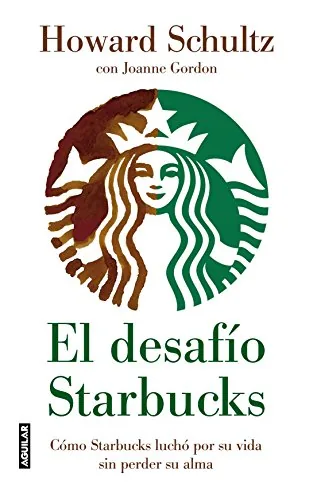
Cover of Onward: How Starbucks Fought for Its Life
Memoirs & biographies

Onward: How Starbucks Fought for Its Life

★★★★☆ No ratings 1 min read

In January 2008, with comparable sales negative for the first time in Starbucks' history and the stock collapsed, Howard Schultz returned as CEO eight years after stepping down.

Affiliate CTA preview · enabled with monetization (phase 5).

In 2008, with the financial crisis under way and comparable sales falling, Howard Schultz returned as CEO of Starbucks eight years after stepping down. This is the account of that turnaround: closing 7,100 stores simultaneously to retrain baristas, pulling products that diluted the brand, and the tension between growth and preserving the customer experience. A rare book in business literature, because it documents a recovery from the inside and in real time, including the executive's own doubts about decisions that looked suicidal at the time.

Our review

In January 2008, with comparable sales negative for the first time in Starbucks' history and the stock collapsed, Howard Schultz returned as CEO eight years after stepping down. «Onward» is the account of the three years that followed, written by the protagonist and published once the recovery was already visible — worth bearing in mind while reading. Its interest lies in the concrete decisions. Schultz closed all seven-thousand-plus US stores simultaneously for an afternoon to retrain baristas on espresso extraction, a move that cost millions and which the market read as panic. He pulled the warm cheese sandwiches because their smell masked the coffee. He shut hundreds of locations opened during the earlier expansion — the one he himself had driven. The book documents the underlying conflict honestly: Starbucks had grown into the negation of what it sold, and recovery required forgoing near-term growth. Schultz writes with excessive sentimentality about the company's «mission», but the operational sections are rigorous and checkable against the accounts of those years.

Who it's for

For readers studying turnarounds and the tension between growth and preserving a value proposition; less suited if corporate mission-and-purpose language wearies you.

Key takeaways

  • Fast growth can destroy the attribute that sustained the price: Starbucks became its own competitor.
  • A credible recovery required sacrificing near-term sales, which the market punished before rewarding.
  • Schultz writes as an interested party: the story is published once the outcome already favours him.
  • The operational decisions — closures, training, menu — are more instructive than the rhetoric of purpose.
Fact

On 26 February 2008 Starbucks simultaneously closed its 7,100-plus US stores for several hours to retrain its baristas.

Topics Howard SchultzStarbucksturnaroundmarcaliderazgo