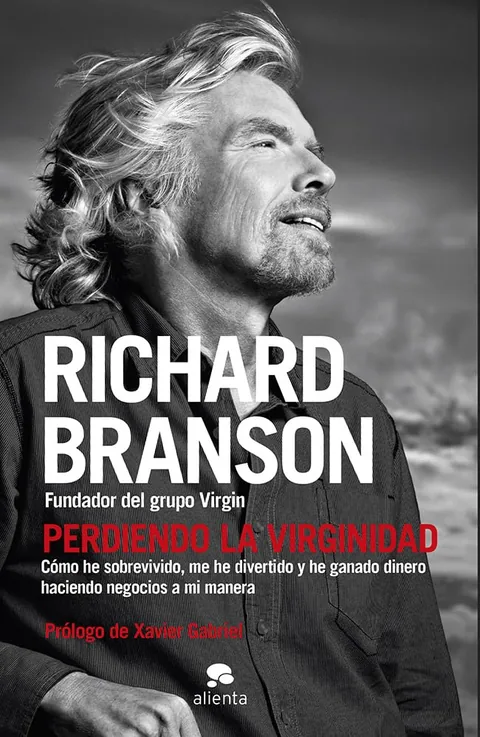
Cover of Losing My Virginity
Memoirs & biographies

Losing My Virginity

★★★★☆ No ratings 1 min read

Richard Branson's autobiography has one obvious problem and a less obvious virtue.

Affiliate CTA preview · enabled with monetization (phase 5).

Branson recounts building Virgin from a student magazine and a mail-order record business into a conglomerate spanning airlines, record labels and telecoms. The book is less interesting for its anecdotes — plentiful — than for what it shows about risk-taking: how Branson structured bets so that one unit's failure would not drag down the group, and how he sold Virgin Records to fund Virgin Atlantic. An autobiography with the expected bias of an author controlling his own story, yet candid about cash crises and litigation.

Our review

Richard Branson's autobiography has one obvious problem and a less obvious virtue. The problem is tone: Branson writes like a man who knows the hot-air-balloon anecdote sells better than the balance sheet, and the book spends pages on exploits that explain nothing about the business. The virtue is that, in between, he describes with unusual precision how he structured risk. Virgin was not a conglomerate in the classical sense but a collection of separate companies, each with its own financing and limited liability, so that one collapsing would not drag down the rest. Branson explains how he used the brand as a licensable asset — contributing it to joint ventures where he put in little capital — and how he made the hardest decision of his career: selling Virgin Records to EMI in 1992 to inject cash into Virgin Atlantic, which was losing its war with British Airways. The passage on that sale, and on the smear campaign he endured, is the best in the book. Like every founder autobiography, it suffers from survivorship bias: Virgin's failed ventures — and there were many — get far less space than the ones that worked.

Who it's for

For readers wanting to see how a group is structured to isolate risk; less suited if the genre's self-congratulatory tone irritates you.

Key takeaways

  • Legally separating each business keeps one failure from compromising the group.
  • Branson treated the brand as a licensable asset, entering sectors with little of his own capital.
  • Selling Virgin Records funded Virgin Atlantic: a defensive divestment, not a planned triumph.
  • Survivorship bias runs strong: Virgin's failures occupy a minimal fraction of the narrative.
Fact

The English original appeared in 1998; the Spanish edition is published by Alienta (Grupo Planeta), translated by Ramon Vilà Vernis.

Topics Richard BransonVirginemprendimientoautobiografíariesgo