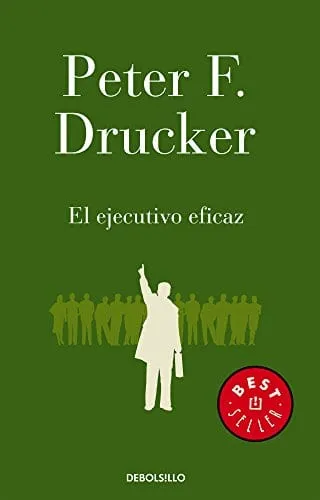
Cover of The Effective Executive
Business strategy

The Effective Executive

★★★★☆ No ratings 1 min read

Peter Drucker wrote hundreds of pages on managing organizations but only one book on managing oneself, and this is it.

Affiliate CTA preview · enabled with monetization (phase 5).

The classic manual of executive effectiveness by the father of modern management. Drucker argues effectiveness is not innate talent but a set of learnable practices: knowing where your time goes, focusing on contribution over activity, building on strengths, concentrating on the few things that matter, and deciding through an orderly process.

Our review

Peter Drucker wrote hundreds of pages on managing organizations but only one book on managing oneself, and this is it. His starting thesis remains countercultural: effectiveness is not a personality trait but a set of habits, and therefore can — and must — be learned. The habits are five. Know where your time actually goes (by recording it, not recalling it, because memory lies). Orient yourself to outward contribution rather than inward activity: ask what results I must deliver, not what tasks I have. Build on strengths — your own, your boss's, your subordinates' — instead of trying to fix weaknesses. Concentrate: first things first, one at a time, systematically abandoning what no longer produces. And make effective decisions: few, important, on principles rather than cases, with organized disagreement rather than premature consensus. Written in 1966, it contains not a single dated idea; the reason executives of every new generation — from Bezos to today's founders — keep citing it is that nobody has surpassed it.

Who it's for

For any knowledge worker responsible for results — you don't need to manage people to need it; the productivity book that outlives every fad.

Key takeaways

  • Recording actual time (not remembered time) is the starting point: the gap between what we think we do and what we do is always bigger than expected.
  • The effective question is not «how much do I work» but «what contribution is expected of me that nobody else can deliver».
  • Staff by strengths: the question is not «what can this person not do» but «what do they do exceptionally well».
  • Concentration demands systematic abandonment: before starting something new, decide what to stop doing.
Fact

Drucker published «The Effective Executive» in 1966 and considered it his only book devoted to personal effectiveness; Jeff Bezos made it required reading for his executives at Amazon.