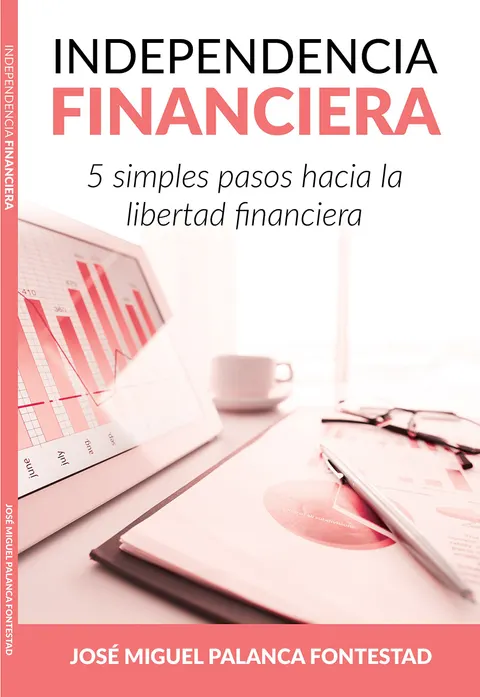
Cover of Financial Independence in 5 Steps
Index funds / FIRE

Financial Independence in 5 Steps

★★★★☆ No ratings 1 min read

«Financial Independence in 5 Steps» proposes a sequential methodology that earns its value precisely by insisting the reader not skip stages: building an investment portfolio makes no sense while consumer debt lingers or before an emergency fund exists to prevent forced asset liquidation during a crisis.

Affiliate CTA preview · enabled with monetization (phase 5).

A structured manual in five clear stages toward financial independence: expense control, debt elimination, emergency fund construction, systematic investing, and tax optimization. Each step includes practical exercises and spreadsheets adapted to the Spanish context.

Our review

«Financial Independence in 5 Steps» proposes a sequential methodology that earns its value precisely by insisting the reader not skip stages: building an investment portfolio makes no sense while consumer debt lingers or before an emergency fund exists to prevent forced asset liquidation during a crisis. That ordering matters, and the book defends it with practical rather than theoretical arguments. Each of the five steps has its own chapter with exercises and worked examples, making the book a working companion rather than passive reading. Because it was written by multiple authors, the voice is not entirely consistent; some chapters are more didactic, others more descriptive, which can affect reading rhythm. The investment coverage is introductory rather than deep — it reaches index investing and basic diversification but does not develop asset selection with the detail an intermediate investor would expect. Within the Spanish context, greater specificity about tax-efficient investment vehicles would have strengthened the book. Its real value lies in the five-step framework as a tool for organizing the financial priorities of a family or individual starting from scratch or from a state of financial disorder.

Who it's for

For people in financial disarray or starting from zero who need a clear sequence of priorities before considering investing.

Key takeaways

  • Tracking income and expenses is the real prerequisite for any investment plan — without it, savings targets are guesswork.
  • Eliminating consumer debt before investing is mathematically correct except in very specific cases involving guaranteed low interest rates.
  • An emergency fund covering three to six months of expenses protects the investment portfolio from forced liquidations during a crisis.
  • Tax optimization, however unglamorous, can compound into several percentage points of additional net return over decades.
Fact

The book was published in 2020 by Libros de Cabecera, a Spanish-language non-fiction publisher.

Topics independencia financierapasos prácticosdeudasahorroplan financiero