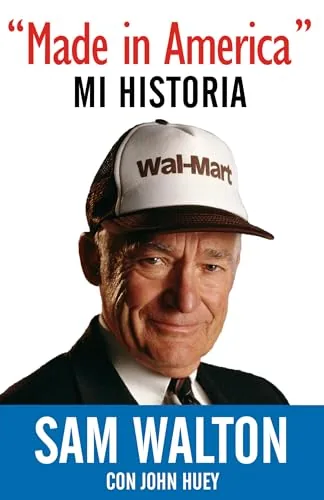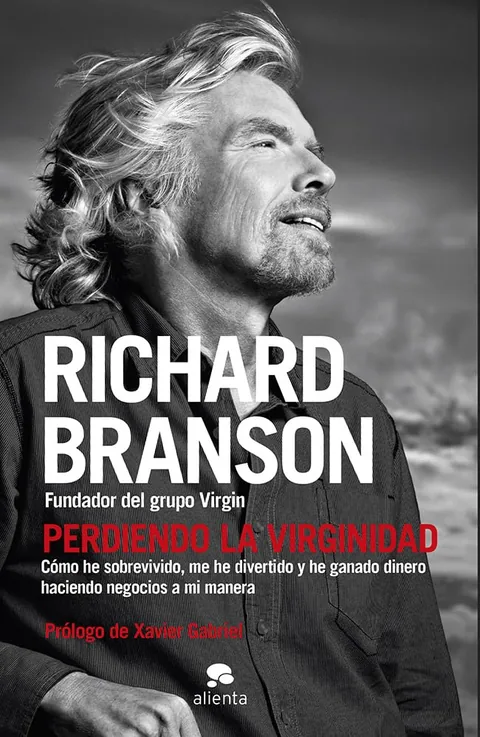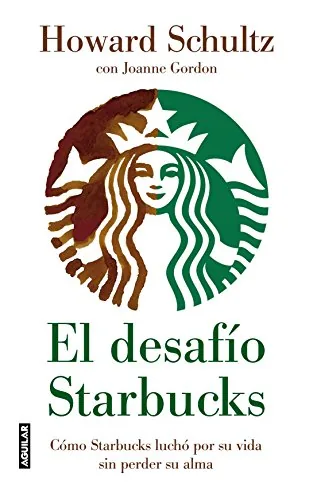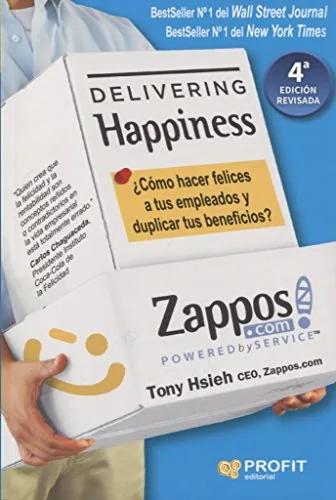
Cover of Delivering Happiness: A Path to Profits, Passion, and Purpose
Memoirs & biographies

Delivering Happiness: A Path to Profits, Passion, and Purpose

★★★★☆ No ratings 1 min read

Tony Hsieh sold his first company to Microsoft before turning twenty-five and spent the following decade on Zappos, an online shoe retailer Amazon acquired in 2009.

Affiliate CTA preview · enabled with monetization (phase 5).

Tony Hsieh sold his first company to Microsoft at twenty-four and spent the following decade building Zappos, the online shoe retailer Amazon acquired in 2009. The book argues a concrete, accounts-checkable thesis: that investing in culture and customer service — almost no advertising, free returns, an unscripted call centre — produces compounding word-of-mouth growth cheaper than paid acquisition. Hsieh died in 2020; the book now also reads as a portrait of a way of running companies.

Our review

Tony Hsieh sold his first company to Microsoft before turning twenty-five and spent the following decade on Zappos, an online shoe retailer Amazon acquired in 2009. The book argues a thesis checkable against the company's accounts: that heavy spending on customer service — free returns both ways, fast free shipping, an unscripted call centre with no time limits — produces word-of-mouth growth cheaper than paid acquisition. Hsieh cut the advertising budget to near zero and moved that money into the post-purchase experience, betting that word of mouth compounds better than buying traffic. The most debatable part is his insistence on culture as an end in itself, with chapters on happiness and purpose leaning more on popular psychology than on evidence. Hsieh died in 2020, and the book now reads with the added discomfort of knowing how it ends. Its value lies in the first half, where the economic argument is concrete and verifiable.

Who it's for

For readers wanting to assess customer service as an acquisition investment rather than a cost; less suited if corporate happiness rhetoric grates.

Key takeaways

  • Zappos shifted its advertising budget into after-sales service, betting on word-of-mouth growth.
  • Free returns both ways were an explicit cost aimed at removing purchase friction.
  • The first half makes a verifiable economic argument; the second drifts into popular psychology.
  • The book never examines whether the model would have survived without Amazon's later backing.
Fact

The Spanish edition is published by Profit Editorial; Zappos was acquired by Amazon in 2009 and Tony Hsieh died in 2020.

Topics Tony HsiehZapposcultura empresarialservicio al clientee-commerce